
13 Books for the Quiet Days Between Christmas and New Year
These books for the quiet days between Christmas and New Year are cozy, reflective, and perfect for resting, resetting, and easing gently into January.

The Books I Reach for When Christmas Is Over but the Year Isn’t
Hi Bookish Besties, the stretch between Christmas and New Year is probably my favorite reading week of the entire year. Christmas Day has happened, the urgency has dropped, and January has not yet arrived with all its plans, goals, fresh calendars, and slightly aggressive messaging about becoming a new person. For a few days, we get to simply exist in the middle.
That is exactly how I want my reading to feel during this week too. I do not want a book that demands to be conquered before midnight on December 31. I want something companionable, thoughtful, a little cozy, and emotionally rich without leaving me exhausted. I want to read a chapter, make another cup of tea, wander around the house, come back later, and never feel as though the book is waiting impatiently for me.
That is the lens behind these books for the quiet days between Christmas and New Year. Some are classics, some are bookish comfort reads, some lean into winter atmosphere, and others are simply stories about people pausing long enough to realize their lives may need to change. What connects them for me is that they all suit that strange threshold when one year is ending but the next has not quite begun.
These are not books I choose because I want to optimize the final week of December. Quite the opposite. I choose them because they let me stay inside the quiet for a little while longer.
What Makes a Book Right for This In-Between Week
I think of these as threshold books. They are emotionally meaningful without being relentlessly heavy, and they usually care more about interior shifts than giant plot twists. Many can be read slowly or in short sessions, which matters when the days themselves are unstructured and nobody seems entirely sure what day of the week it is.
I also tend to gravitate toward books about people reconsidering their lives. Not necessarily making dramatic resolutions, but noticing something: a relationship, a regret, a possibility, a version of themselves they have outgrown. That feels much more natural to me than racing into January with a list of ways I apparently need to improve.
Most of all, I want books that leave me calmer than when I opened them.
13 Books for the Quiet Days Between Christmas and New Year

A Christmas Carol by Charles Dickens
I know A Christmas Carol is technically supposed to belong before Christmas, but I actually think it becomes even more interesting afterward. Once the gifts have been opened and the spectacle is over, Scrooge’s story becomes less about Christmas itself and more about what happens after a moment of clarity. He has seen the life he was building, but the real question is what he will do with the time that remains.
That is why I like it during this particular week. The story is short, familiar, and reflective without requiring me to begin January with an elaborate self-reinvention project. It reminds me that change can be practical and immediate: notice people, repair what you can, be more generous, show up differently. I reread it every December, and that final morning still feels like one of the best literary versions of being given another chance.
You can get a copy of A Christmas Carol by Charles Dickens on Amazon.
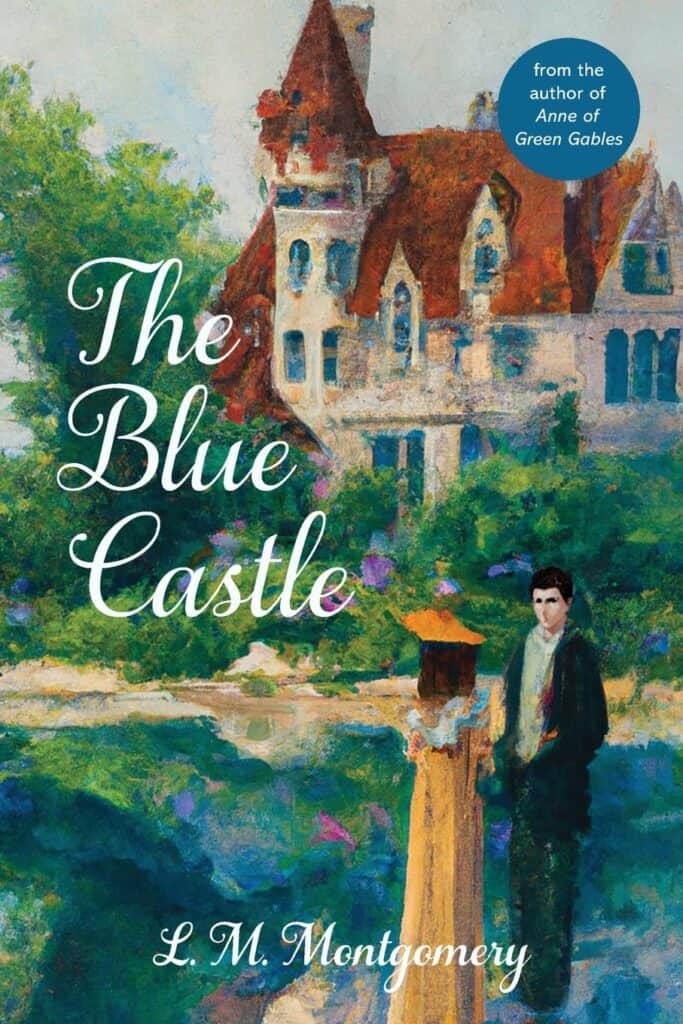
The Blue Castle by L. M. Montgomery
Valancy Stirling has spent most of her life doing what is expected of her until one piece of news abruptly changes the way she sees the time she has been given. From there, The Blue Castle becomes a story about choosing joy, taking emotional risks, and finally allowing yourself to live rather than merely behave correctly.
I love it for the end of the year because Valancy’s transformation is not about becoming more productive or impressive. It is about becoming more honest. That distinction feels important to me when January starts hovering nearby with all its pressure to set goals. The Blue Castle always leaves me wondering less about what I should achieve next year and more about where I may still be shrinking myself unnecessarily.
You can get a copy of The Blue Castle by L. M. Montgomery on Amazon.

Excellent Women by Barbara Pym
Excellent Women is one of those books where very little happens and somehow everything happens. Mildred Lathbury moves through a world of church life, neighbors, small social dramas, quiet judgments, helpfulness, loneliness, and the endless assumption that she will be the sensible woman who sorts things out.
Barbara Pym is exactly the kind of writer I want during this week because she trusts the small stuff. A conversation can matter. A cup of tea can carry emotional weight. A social awkwardness can reveal an entire relationship. I return to this book when I want something observant, dryly funny, and deeply interested in the lives people build beneath the surface of ordinary days.
You can get a copy of Excellent Women by Barbara Pym on Amazon.

Days at the Morisaki Bookshop by Satoshi Yagisawa
After heartbreak and job loss, Takako moves into the cramped room above her uncle’s secondhand bookshop in Tokyo’s Jimbocho district. Her recovery does not happen through one dramatic revelation. It happens through books, routine, conversation, walking through the neighborhood, and gradually returning to herself.
That pacing is why this fits the week between Christmas and New Year so beautifully for me. Sometimes life is rearranging itself before we are ready to name what is changing. I love the idea that healing can happen through repeated small things rather than one enormous decision, and naturally, putting a used bookshop at the center of that process makes it almost impossible for me to resist.
You can get a copy of Days at the Morisaki Bookshop by Satoshi Yagisawa on Amazon.

Before the Coffee Gets Cold by Toshikazu Kawaguchi
A small Tokyo café offers customers the impossible opportunity to travel through time, but the rules are strict and the visit must end before the coffee becomes cold. Across interconnected stories, characters use that brief window to revisit relationships, grief, regret, and things left unsaid.
I think this book works particularly well near the end of the year because it understands something I find myself thinking about every December: changing the past is usually not the point. Understanding it differently might be. The novel is wistful, sometimes sad, and ultimately more concerned with how we return to the present than how we escape it. That makes it a much gentler reflection book than anything involving resolutions and checklists.
You can get a copy of Before the Coffee Gets Cold by Toshikazu Kawaguchi on Amazon.
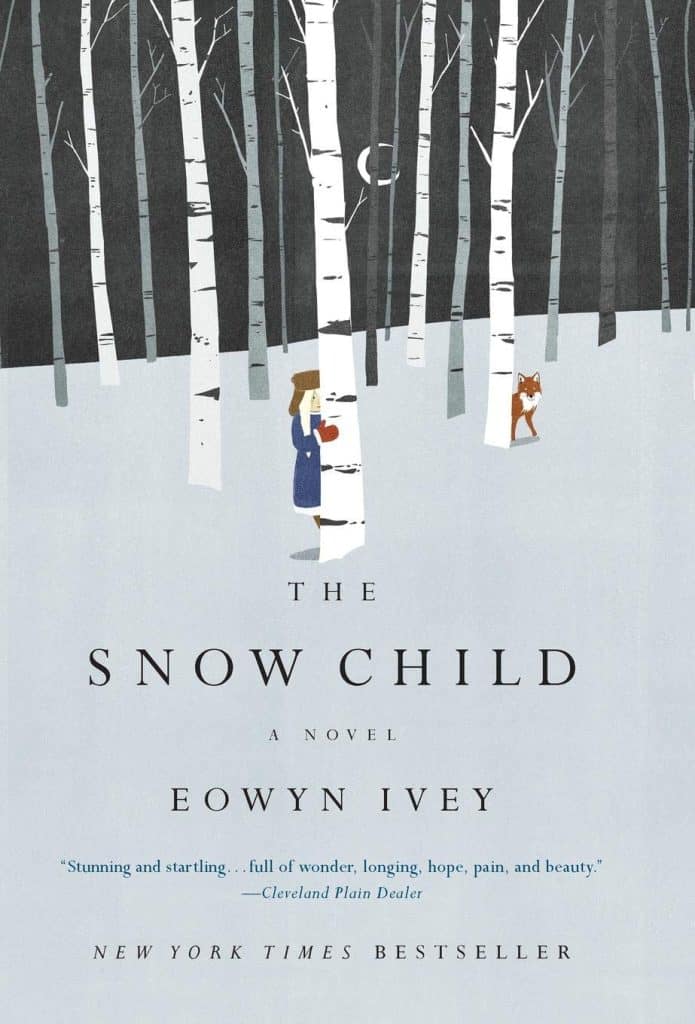
The Snow Child by Eowyn Ivey
The Snow Child gives me the winter atmosphere I want during this week without feeling remotely like a Christmas book. In 1920s Alaska, a childless couple struggling with isolation build a girl from snow, only for a mysterious child to begin appearing near their homestead.
The novel sits beautifully between realism and fairy tale, and I love how much room it leaves for uncertainty. There is wilderness, grief, marriage, longing, and an almost dreamlike quality to the entire story. This is the book I choose when the weather outside makes me want to disappear into somewhere colder, quieter, and more mysterious than my actual living room.
You can get a copy of The Snow Child by Eowyn Ivey on Amazon.

Vera Wong’s Unsolicited Advice for Murderers by Jesse Q. Sutanto
There are days during this week when I do not want to reflect on my entire existence. I would simply like an opinionated older woman to discover a dead body in her tea shop and decide she is clearly more qualified to investigate it than the police.
That is where Vera Wong comes in. Beneath the cozy mystery setup is a warm found-family story about loneliness, connection, usefulness, and people who did not realize how badly they needed one another. I like putting this among the quieter, more reflective books because comfort does not always have to mean stillness. Sometimes comfort looks like a meddling auntie creating a community while also solving a murder nobody asked her to solve.
You can get a copy of Vera Wong’s Unsolicited Advice for Murderers by Jesse Q. Sutanto on Amazon.

The Teller of Small Fortunes by Julie Leong
Tao travels from village to village telling small fortunes because she deliberately avoids predictions that might change someone’s life. Then a group of unexpected companions pulls her into something larger, turning her solitary routine into a gentle quest about friendship, courage, belonging, and connection.
What I like about this book for the in-between week is right there in the idea of “small fortunes.” Everything does not need to become life-altering simply because a new year is approaching. Small hopes count, small decisions count, and small connections count. This is cozy fantasy at the softer end of the genre, and that is exactly the energy I want when my brain is still recovering from December.
You can get a copy of The Teller of Small Fortunes by Julie Leong on Amazon.

We’ll Prescribe You a Cat by Syou Ishida
At a mysterious clinic in Kyoto, people seeking help for grief, burnout, loneliness, and other struggles receive an unusual prescription: a cat. The interconnected stories follow what happens as each person’s life begins changing through the relationship that develops.
This book is almost aggressively well suited to my idea of quiet-week reading. It is gentle, a little whimsical, emotionally reassuring, and built in a format that lets me read one section and stop without losing momentum. I also appreciate that the healing is not presented as a clean before-and-after process. People are messy, animals are unpredictable, and sometimes companionship shifts a life in ways advice never could.
You can get a copy of We’ll Prescribe You a Cat by Syou Ishida on Amazon.
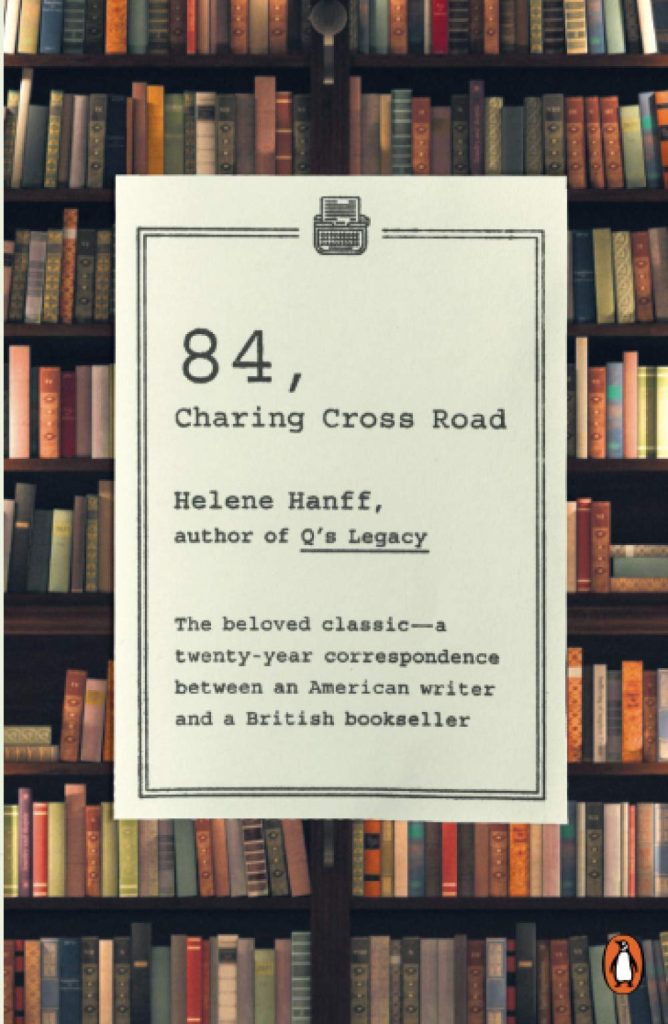
84, Charing Cross Road by Helene Hanff
84, Charing Cross Road is one of my favorite examples of a book doing very little on the surface while creating an enormous amount of feeling. Through letters exchanged between New York writer Helene Hanff and the staff of a London bookshop, a practical search for books gradually becomes friendship, affection, humor, and connection across years and distance.
I love reading it when the world feels quieter because correspondence itself requires patience. Someone writes, someone waits, and a reply arrives. The relationship develops without urgency, and I think that is part of what makes the book feel so restorative now. It reminds me that connection does not always need to be constant in order to be real.
You can get a copy of 84, Charing Cross Road by Helene Hanff on Amazon.
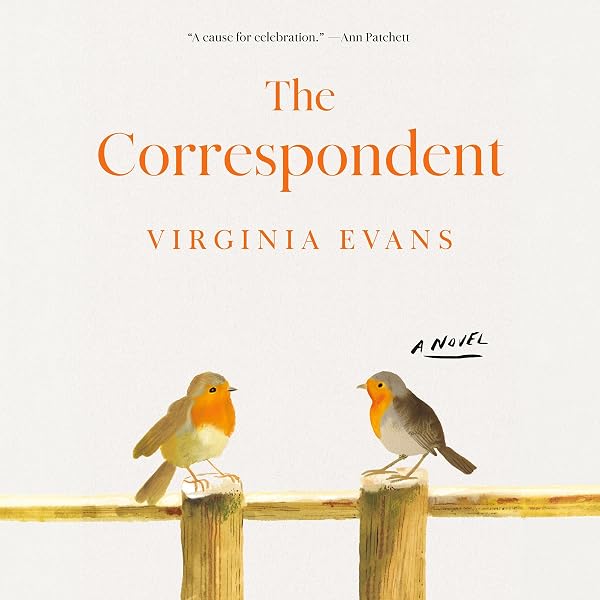
The Correspondent by Virginia Evans
The Correspondent feels almost purpose-built for this particular reading mood. The novel unfolds through the letters of Sybil Van Antwerp, a woman in her seventies whose correspondence gradually reveals her relationships, habits, losses, regrets, stubbornness, and capacity for change.
What draws me to adding this one here is the idea of a life becoming visible in fragments. Letters force a different pace than conventional narration, and this is exactly the kind of structure I want when I am reading slowly rather than racing through plot. It is also deeply interested in connection, literature, grief, and the possibility that personal growth does not belong only to the young.
That last part feels especially right at the turn of a year. We talk so much about reinvention as though it belongs to one particular stage of life, when sometimes the quietest changes arrive much later.
You can get a copy of The Correspondent by Virginia Evans on Amazon.
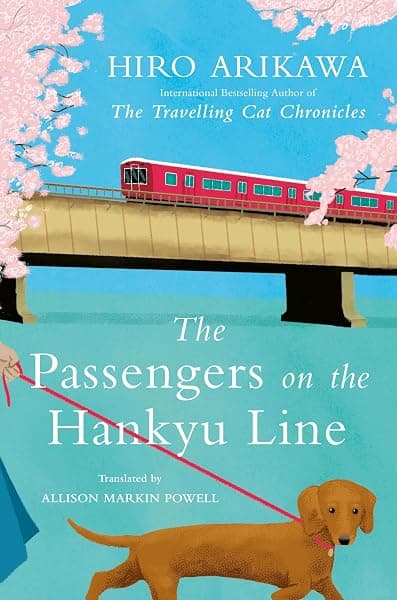
The Passengers on the Hankyu Line by Hiro Arikawa
The Passengers on the Hankyu Line follows people traveling along the same Japanese railway line, their individual lives briefly intersecting as they move between two towns. Characters carry different problems onto the train, from romantic disappointment and difficult relationships to questions about friendship and the direction their lives are taking.
I am adding this because I love interconnected stories for the end of the year. There is something comforting about being reminded that everybody around us is carrying a story we cannot fully see. A train makes that idea especially literal: people get on, sit beside one another for a while, affect each other in small ways, and then continue toward different destinations. That feels like an almost perfect metaphor for the space between years.
You can get a copy of The Passengers on the Hankyu Line by Hiro Arikawa on Amazon.
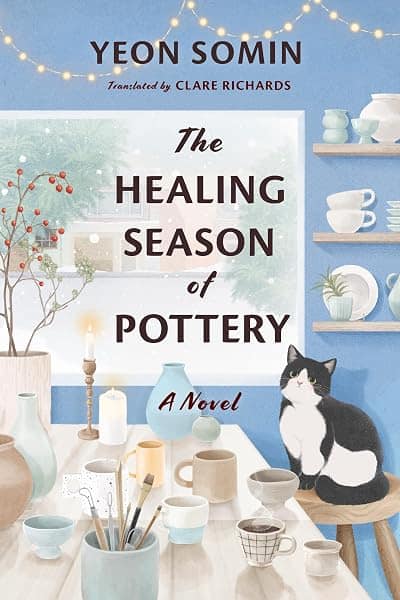
The Healing Season of Pottery by Yeon Somin
The Healing Season of Pottery follows Jungmin, a burned-out television writer who leaves her job and eventually finds herself drawn into a neighborhood pottery studio. Working with clay, meeting the people around her, and settling into the physical rhythm of making things gradually helps her reconnect with herself.
This is exactly the kind of healing fiction I want during the quiet week because the recovery is tactile and slow. There is no dramatic January makeover. Jungmin has something to do with her hands, a place to return to, and a community that forms around repetition and shared practice.
I especially like that idea between Christmas and New Year because sometimes what I need is not another big thought about my life. I need to make tea, read a little, color, puzzle, or do something repetitive enough that my brain stops trying to solve the entire coming year in one sitting.
You can get a copy of The Healing Season of Pottery by Yeon Somin on Amazon.
Which Book to Read Depending on Your Mood
If I want to look backward before the year closes, I reach for A Christmas Carol or Before the Coffee Gets Cold. Both are interested in the past, but neither lets reflection become an excuse to live there forever. The point is what the characters do once they see things more clearly.
When I want a book about quietly changing direction, I would choose The Blue Castle, Days at the Morisaki Bookshop, The Correspondent, or The Healing Season of Pottery. None of them treats reinvention as a dramatic performance. Their characters change because they begin noticing what does and does not fit anymore.
For bookish comfort, 84, Charing Cross Road and Days at the Morisaki Bookshop are difficult for me to beat. When I want warmth with more movement, Vera Wong’s Unsolicited Advice for Murderers gives me exactly enough mystery to keep things lively. For winter atmosphere, I want The Snow Child, and when I need the literary equivalent of somebody quietly telling me things may turn out okay, The Teller of Small Fortunes or We’ll Prescribe You a Cat is where I go.
And if I want to think about the strange ways our lives overlap with strangers, The Passengers on the Hankyu Line feels especially right for this threshold week.
What I Do When I Don’t Actually Want to Read
This may sound strange in a post about books, but part of protecting my reading life is knowing when I do not actually want to read. There are evenings during this week when I have spent so much of December consuming information, answering messages, shopping, planning, and generally using my brain that even a gentle novel feels like one more thing asking for attention. I have learned not to force it.
That is when I like something analog and low-pressure instead. I might do a puzzle, put on an audiobook, or pull out my Thyme Lane Tilly’s Bookshop coloring book and color for a while with music playing. It gives me the same quiet, bookish atmosphere without requiring me to follow a plot or remember what happened three chapters ago.
Sometimes I end up reading afterward. Sometimes I do not. Both count as resting.
Why I Don’t Use This Week to “Catch Up” on My Reading
I used to look at the final days of December and see an opportunity. Surely I could finish a few more books. Surely I could tidy up the reading goal. Surely I could squeeze in whatever number would make the year look satisfyingly complete.
I do not approach it that way anymore. Reading is one of the places where I want less pressure, not another metric to manage. If I finish one book during this week, wonderful. If I read half of one and carry it into January, nothing has gone wrong.
In fact, I think there is something lovely about starting a book in one year and finishing it in another. A story becomes its own little bridge.
Final Thoughts
The week between Christmas and New Year feels precious to me because it does not quite belong to either side. Christmas is still close enough that the lights are up and the leftovers are probably still in the refrigerator. January is close enough that thoughts about the next year have started appearing, but there is still time before they need to become plans.
I want my reading to honor that pause.
That is why these are not necessarily the biggest books, the most important books, or the books I think everyone absolutely must finish before January. They are the books I want near me when I am tired, reflective, content, slightly disoriented about what day it is, and not particularly interested in rushing toward anything.
Some years that means Dickens. Some years it means a Japanese bookshop or a mysterious café. Some years I want a cat prescription, a cozy murder investigation, a fortune teller, a pottery studio, or two people exchanging letters across an ocean. The common thread is not plot. It is permission to slow down.
You do not need to finish the year dramatically. You do not need the perfect final read. You do not need a book that transforms your life before midnight on December 31. You just need something that keeps you company while one year quietly makes room for another.
Tell me what you like to read during this strange little in-between week. Do you reach for something reflective, something cozy, an old favorite, or whatever book happens to be closest when you finally get a quiet afternoon?



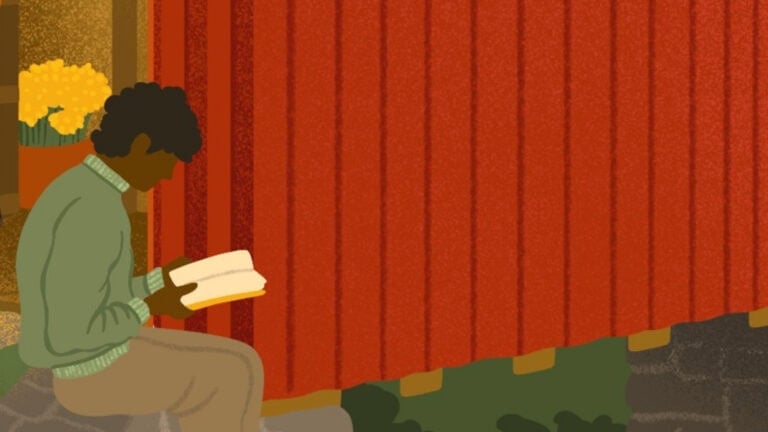


The novel Small Things Like These by Claire Keegan. One of my favorite books to pick up in the week between Christmas and new years.
I love Claire Keegan too, and Small Things Like These is absolutely brilliant. That’s such a perfect, quiet read for the days between Christmas and New Year. Thank you for sharing the recommendation!