20 Best New Literary Fiction Books to Read Fall 2026
Looking for the best new literary fiction books fall 2026? I read and loved these 20 new novels, from family sagas to bold experimental fiction.
Fall 2026 Literary Fiction Reading Guide: 20 Books I Loved
Hi Bookish Besties, Fall is always when I want my literary fiction to get a little more ambitious. I want the beautiful writing, obviously, but I also want a book to give me something to think about after I close it. I want complicated families, strange characters, big questions, messy relationships, moral gray areas, and those sentences or ideas that quietly follow me around for the rest of the day. That is exactly what I found in this group of books. I read a lot while putting together the 2026 Fall Reading Guide, and these are the literary fiction books that stayed with me most. Some are sweeping family sagas, some get weird and experimental, and some move into speculative fiction, satire, history, or social commentary. But every book here gave me that feeling I am always chasing with literary fiction: the sense that I understood a person, a family, or even the world a little differently by the end. So if you are looking for the best new literary fiction books for Fall 2026, these are the 20 I would put on your list. This post is also part of my larger Fall Reading Guide 2026: Best New Books, so definitely head there next if you want even more fall book recommendations across different genres.
Best New Literary Fiction Books for Fall 2026
My biggest takeaway from this fall’s literary fiction is just how much range there is. You can read an enormous Korean diaspora family saga one week, disappear into a strange parallel timeline the next, and then follow it with a tiny dinner party novel that somehow manages to say something enormous about privilege, gender, food, and modern life. These are not ranked from one to twenty because I genuinely think they are doing very different things. Instead, think of this as the group I would personally start with when building a Fall 2026 literary fiction TBR.
Quick Picks If You Are in a Hurry
If you just want a few immediate additions to your Fall 2026 TBR:
- For a sweeping multigenerational family saga: American Hagwon
- For literary speculative fiction that will keep your brain working: Exit Party
- For inherited trauma, family, and a touch of the supernatural: The Book of Chuck
- For intellectually ambitious translated literary fiction: Range
- For friendship, motherhood, marriage, and found family: Take What You Can
- For climate fiction that still leaves room for hope: The Names of the New World
- For sharp, funny, completely fearless social satire: The True Confessions of First Lady Freeman
- For a huge literary examination of race and American institutions: The Occidental Book of the Dead
- For beautiful writing about mothers and daughters: Female Life on Planet Earth
- For fragmented consciousness and a deeply interior character study: Switzy
Now, let’s get into the books I could not stop thinking about.
20 Fall 2026 Literary Fiction Books I Read and Loved
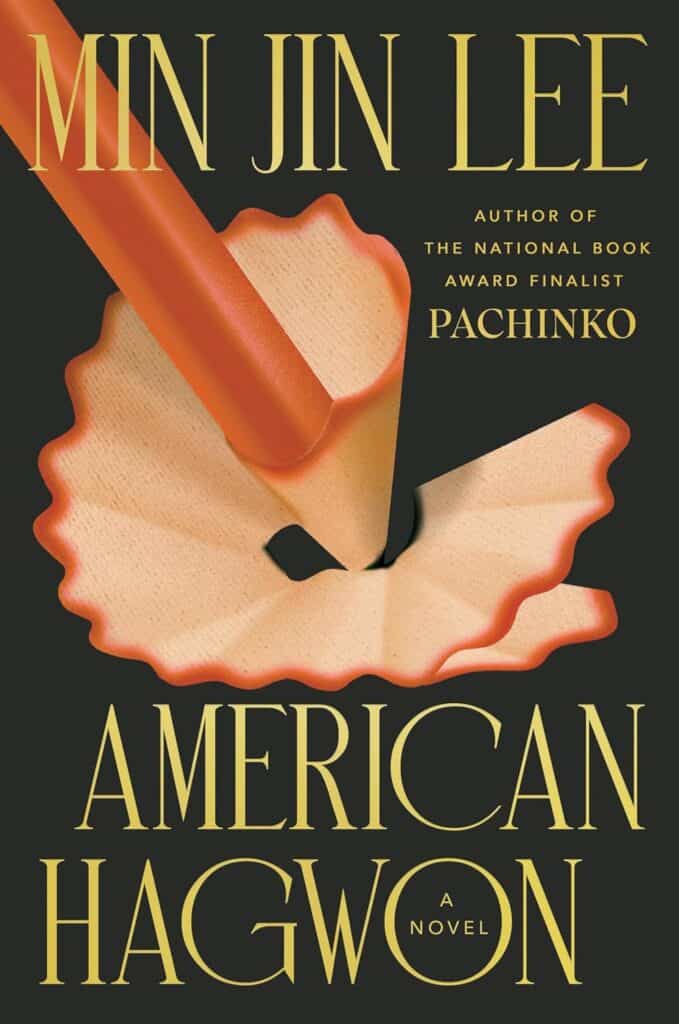
American Hagwon by Min Jin Lee
If you love the kind of family saga where you become completely wrapped up in generations of choices, ambitions, disappointments, and complicated love, American Hagwon needs to be high on your list. The story follows the Koh family across Seoul, Sydney, and California’s Orange County as their financial circumstances change and the parents and children grapple with education, status, racism, money, sex, family obligation, and the enormous pressure to succeed. The hagwon system becomes such an interesting lens for looking at all of those things, especially the ways parents try to create security for their children and the costs that can come with that desire. What I loved most is that the book keeps returning to this much bigger question about what actually makes a good life. This is exactly the kind of expansive, character driven literary fiction I want when I am ready to completely live inside another family’s world.
You can get a copy of this book on Amazon.
Exit Party by Emily St. John Mandel
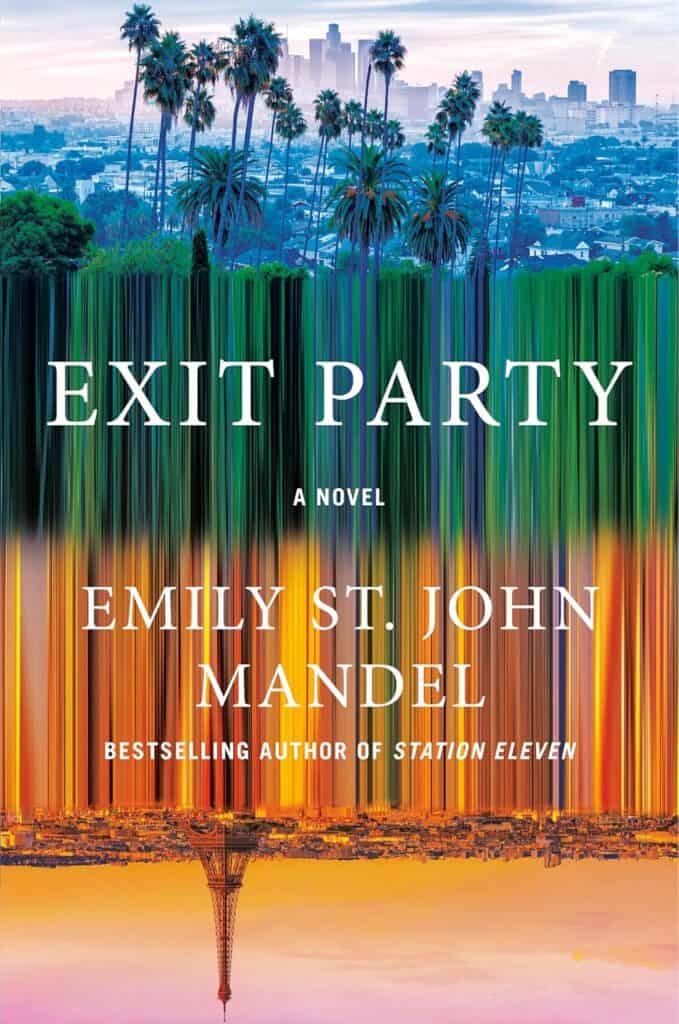
Exit Party is one of those books that makes me remember how much fun literary fiction can be when an author is willing to get strange with structure. It begins with a party in Los Angeles where one person disappears and another seems to exist in two places at once, and from there the story opens into parallel timelines, different versions of people and countries, and questions about chaos, control, and the political worlds we create. I loved the puzzle box feeling of this one because the speculative pieces are not there just to be clever. They give the book room to explore identity, morality, history, and the unsettling idea that another version of our lives might exist right beside the one we know. If you like your literary fiction with a speculative edge and a story that rewards paying attention, this is absolutely one I would pick up.
You can get a copy of this book on Amazon.
The Book of Chuck by LaToya Watkins
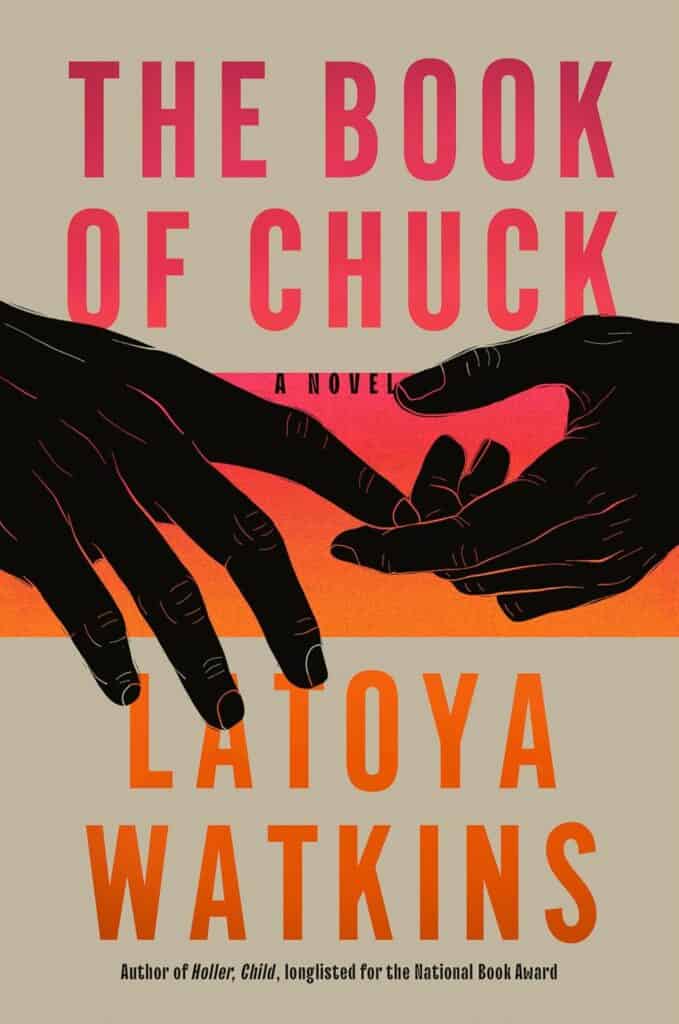
The Book of Chuck is the kind of multigenerational novel that goes into very dark places without losing its belief in people. The Gardner family carries an inherited ability to see death coming, but I loved that the supernatural element never felt like the entire point of the story. Instead, it becomes a way of exploring everything families pass down that is much harder to see: grief, rejection, trauma, love, fear, and the desire to do better than the people who came before us. Chuck is at the emotional center of the book, and his longing to love and be loved made this one especially affecting for me. There is so much pain across these generations, but there is also this persistent hope that inherited patterns do not have to determine everything. If you want literary family fiction that is emotionally heavy, beautifully written, and just a little bit otherworldly, put this one on your list.
You can get a copy of this book on Amazon.
Range by Dorthe Nors, translated by Caroline Waight
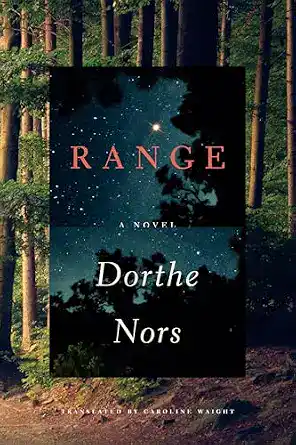
Range is for my fellow readers who love quiet books with enormous ideas hiding inside them. Gunn Haven is an astrophysicist who has stepped away from her teaching job and moved into a country house left to her by a mysterious woman named Magna. Her life slowly comes into focus through memories, relationships, equations, walks, messages, and her attempts to understand both the universe and the people immediately around her. I loved the contrast between the scale of Gunn’s work and the very ordinary complications of being a person. She can study light traveling from ancient galaxies, but everyday social interactions can still be nearly impossible to interpret. That tension gives the book so much of its emotional and intellectual power. This is the one I would hand to a reader who wants contemplative literary fiction about identity, consciousness, loneliness, knowledge, and all the things we may never completely understand about ourselves.
You can get a copy of this book on Amazon.
Sunrise by Téa Obreht
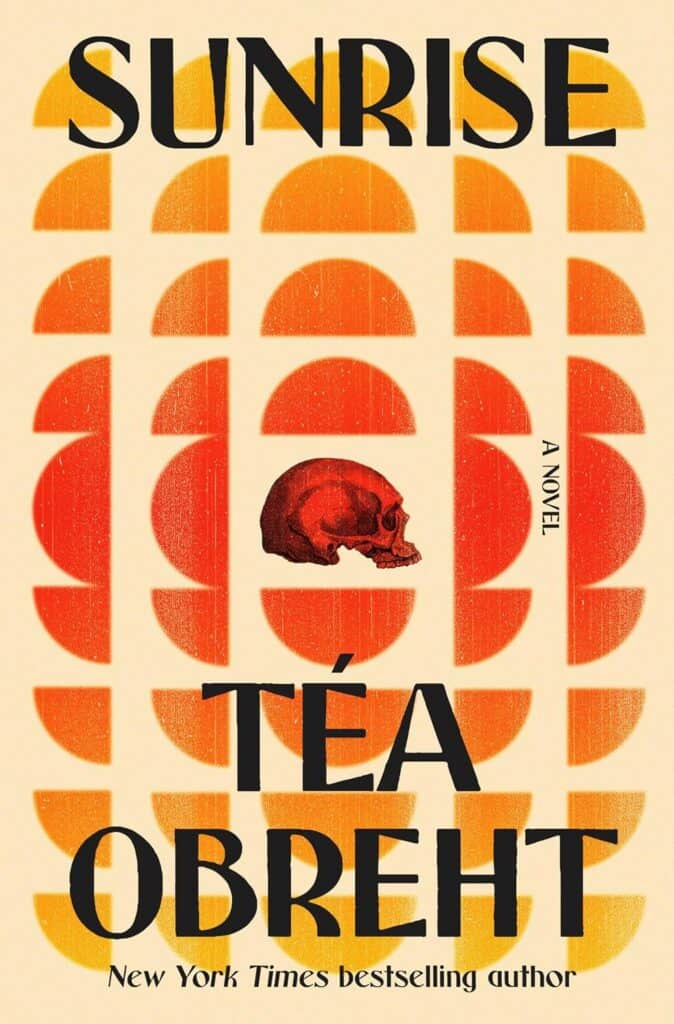
Sunrise gave me one of my favorite combinations in literary fiction: multiple timelines, secrets, history, storytelling, and characters trying to figure out which version of the past they can actually trust. The novel moves among Nina, stranded after a plane crash in the wilderness; Anton Vargas, a gunslinger, performer, and former lawman whose story appears in an old manuscript; and Coll, an amateur historian involved with a local reenactment of Vargas’ legend. What I loved is how each storyline works on its own while also changing the way you understand the others. This becomes a book about the stories people tell, the stories communities preserve, and the uncomfortable truths that can sit underneath a beloved legend. It has adventure and mystery, but there is also real emotional depth underneath all of it. Pick this one if you like literary fiction that plays with history and myth without losing its characters.
You can get a copy of this book on Amazon.
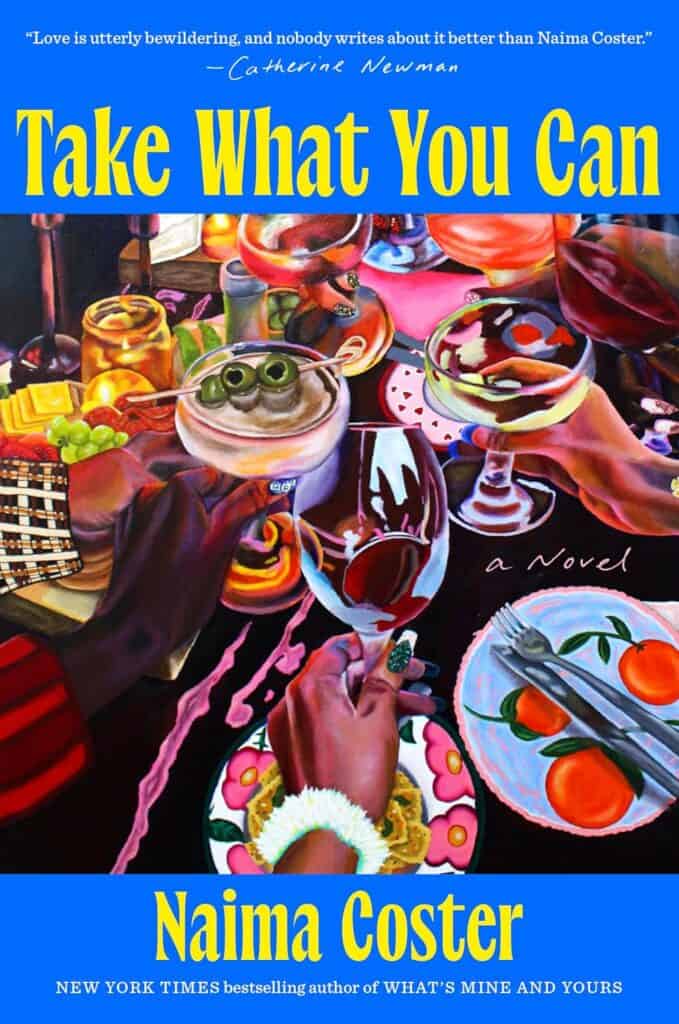
Take What You Can by Naima Coster
I will always make room on my reading list for complicated female friendship, and Take What You Can gives us so much to talk about. Milly and Val meet as young women studying abroad in France and become the kind of friends who are almost sisters. Years later, both are married, professionally successful, pregnant, and trying to figure out what the next stage of their lives should look like. When they decide to raise their daughters near each other, all of those years of love, history, expectation, resentment, and loyalty suddenly have to survive real proximity and real change. I loved that neither woman has to be perfect for the friendship to matter. They are smart, fallible, frustrating, loving people trying to balance careers, marriages, motherhood, freedom, and responsibility. Add in Paris, Provence, New York, and a beautiful exploration of chosen family, and this is such an easy recommendation for readers who love emotionally rich, relationship-driven fiction.
You can get a copy of this book on Amazon.
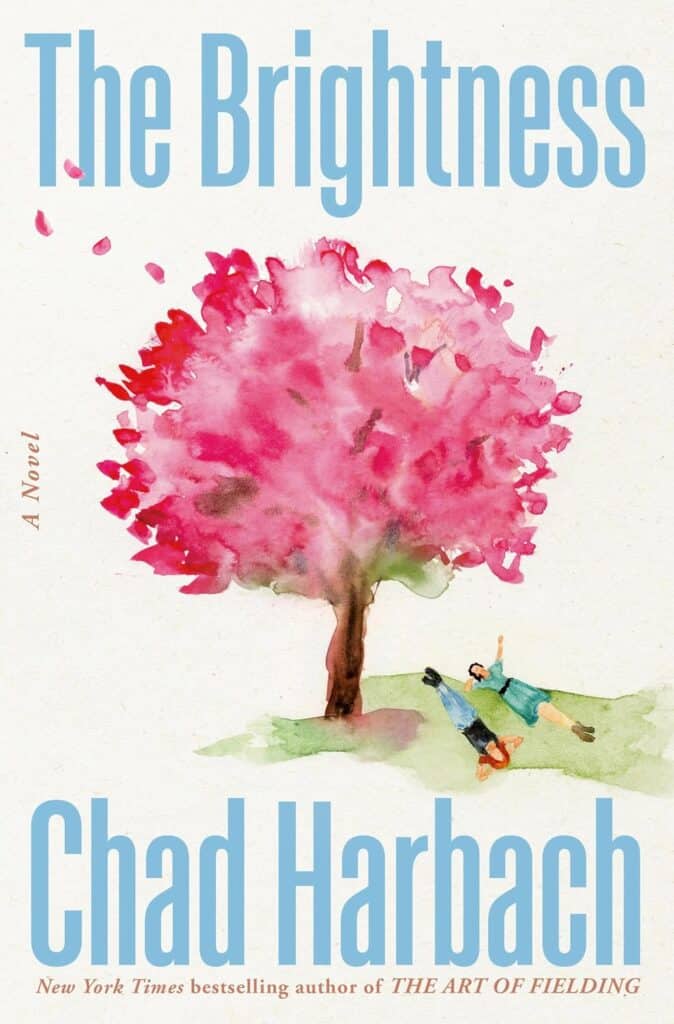
The Brightness by Chad Harbach
The Brightness is the kind of literary novel where relationships keep colliding with much larger cultural questions. Returning to the world of Westish, the story follows characters whose friendships, romances, ambitions, and plans begin to shift after a campus incident grows into something much bigger. The novel moves through conversations about love, talent, literature, feminism, sexual assault, victimhood, media attention, and the ways public narratives can complicate very private lives. What worked for me is how much room the book gives its characters to be messy. Nobody exists simply to make a point. They are figuring themselves out while the world around them keeps demanding clearer answers than real life usually provides. You can read this one on its own, although readers already familiar with these characters will get even more from seeing how they have changed. If you love big character-driven campus novels with ideas underneath them, this is a strong fall pick.
You can get a copy of this book on Amazon.
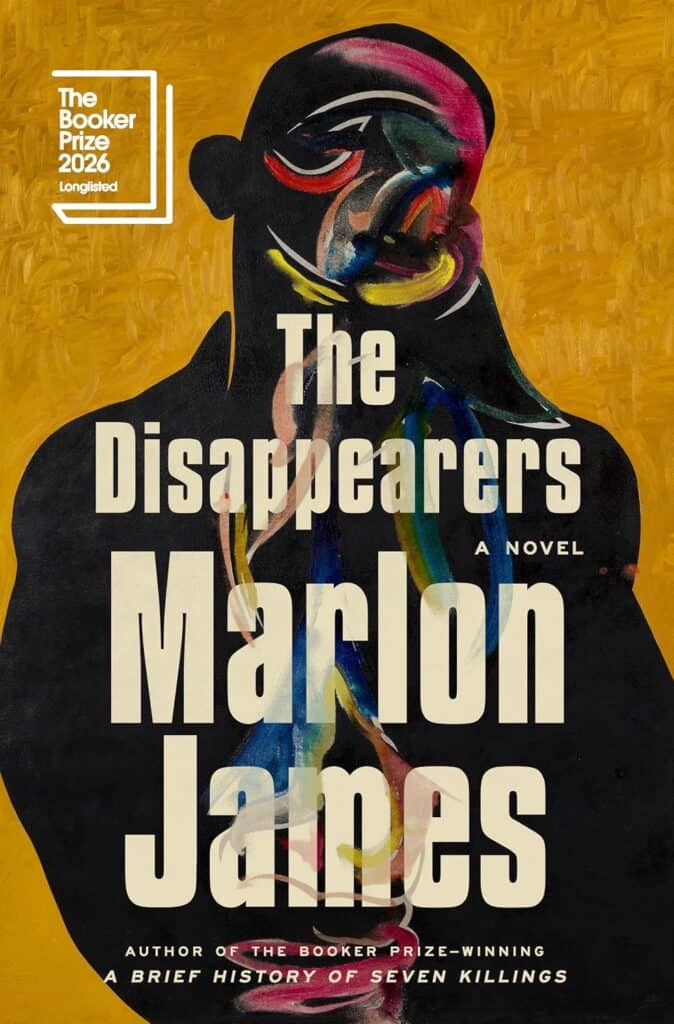
The Disappearers by Marlon James
The Disappearers is one of the heaviest books on this list, but also one of the most powerful. At the center is a brutal attack on a group of gay men gathering in Kingston, Jamaica, and the unanswered disappearance of Orrin Turner and Matt Chin. Years later, survivors Jordan Brown and Eddy Porteous begin searching for clues about what happened to their friends. What unfolds becomes much bigger than a mystery. The book builds a portrait of gay life in Jamaica during a period shaped by violent homophobia and the AIDS crisis, using interviews, journal entries, letters, and fragmented voices to tell its story. I appreciated how unwilling this book is to make any of that history neat or easily digestible. It is sprawling, intense, painful, and deeply alive. This is one I would recommend when you want literary fiction that asks a lot from you as a reader but gives you something substantial in return.
You can get a copy of this book on Amazon.
Want To Save This Post?
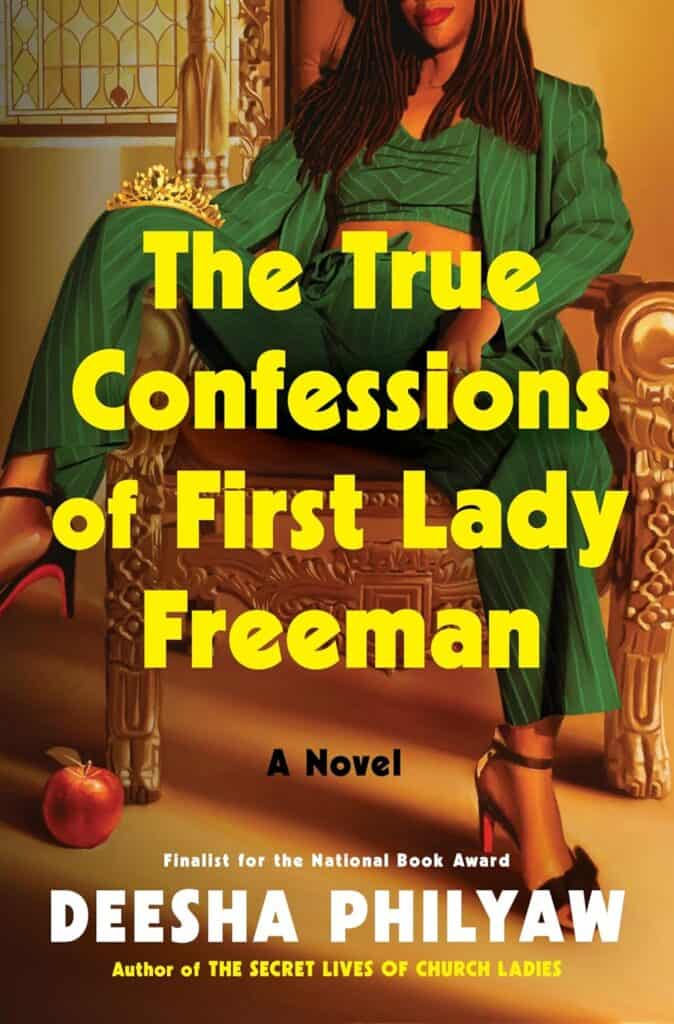
The True Confessions of First Lady Freeman by Deesha Philyaw
Sometimes literary fiction gets to be smart, messy, sexy, and extremely funny all at once, and The True Confessions of First Lady Freeman absolutely understands that assignment. Scharisse Freeman is the first lady of a massive Black megachurch, but she is definitely not interested in behaving like everyone’s ideal version of the respectable church wife. She loves fashion, knows exactly what she wants, and has very little patience for the rules women are expected to follow. At the same time, she desperately wants acceptance from the first lady world that has spent years shutting her out. That contradiction makes her such an irresistible character. I loved how the satire takes on misogyny, classism, colorism, hypocrisy, respectability, religion, and status while still allowing Scharisse to feel completely human underneath all of that fire. If you want a literary novel with a huge personality and a narrator you will want to talk about immediately, start here.
You can get a copy of this book on Amazon.
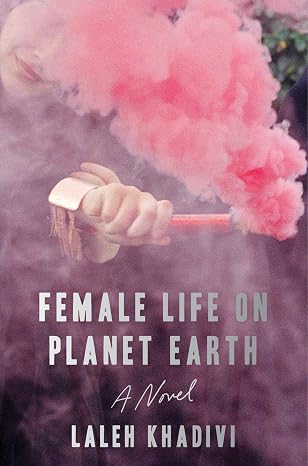
Female Life on Planet Earth by Laleh Khadivi
Female Life on Planet Earth is one of the books on this list I would recommend specifically to readers who love novels about mothers, daughters, memory, and the impossible question of how well we can ever know our parents. After her mother Anahita dies, Heti begins preparing for a traditional memorial gathering. Then mysterious photographs arrive showing a version of her mother she never knew, including images involving weapons and political activity. What follows is less about solving the mystery of exactly who Anahita was and more about asking what it means to be a woman, a daughter, a mother, a lover, and a person whose life extends far beyond the roles other people assign to her. I loved the conversations Heti has with different women because each one opens another door into that larger question. This is reflective, poetic literary fiction for anyone drawn to complicated mother-daughter stories and books about the hidden lives of women.
You can get a copy of this book on Amazon.
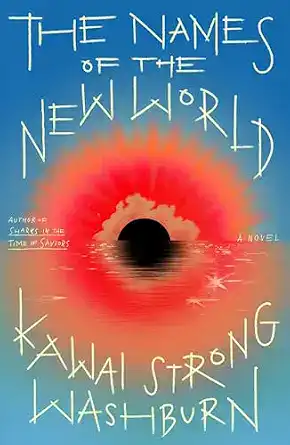
The Names of the New World by Kawai Strong Washburn
The Names of the New World starts with an enormous climate disaster, but what stayed with me was the way it keeps bringing something so huge back down to the lives of individual people. Naomi Kaisha, Amaré Townsend, and Raheem survive an extreme storm in Minneapolis and become connected in ways that continue shaping their lives for years. Naomi’s family history also reaches back to the Marshall Islands and the legacy of atomic testing, which gives the novel another layer of environmental history and consequence. From there, the story expands into politics, relationships, ambition, corporate responsibility, and an increasingly transformed future. I loved that this book is willing to imagine genuinely frightening climate change without surrendering completely to despair. There is still resilience here. There are still people trying to build something better. If you want literary climate fiction with a large scope and an emotional center, this would be one of my first recommendations.
You can get a copy of this book on Amazon.
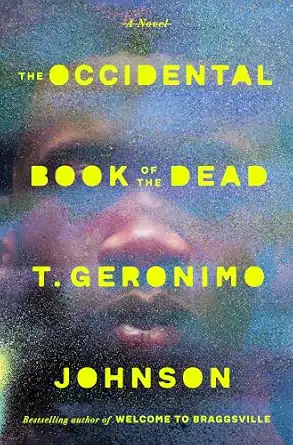
The Occidental Book of the Dead by T. Geronimo Johnson
The Occidental Book of the Dead is for readers who want their literary fiction big, challenging, funny, uncomfortable, and interested in the systems beneath everyday life. After a white police officer kills a white teenager while partnered with veteran Black officer George Washington Jonson, the case opens into a much wider examination of race and American institutions. George’s attempt to understand what happened leads into policing, segregation, redlining, credit, prisons, family services, development, media narratives, and the question of who receives empathy in the first place. What made this work for me is that the novel refuses to shrink something complicated into an easy explanation. Even George has to confront the ways he has ignored or accepted pieces of the system around him. It is intellectually ambitious without giving up story, character, or humor. Pick this when you want a literary novel that will probably leave you thinking and arguing with yourself long after you finish.
You can get a copy of this book on Amazon.
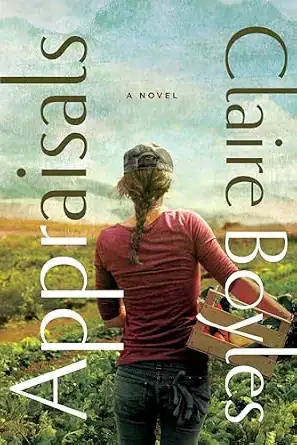
Appraisals by Claire Boyles
Appraisals made me think about how rarely we talk about land as part of a family’s emotional inheritance. Several generations of the Brandt family are tied to farming in eastern Colorado, but each person has a different relationship with that life. Flora is aging, Maggie and Fish are trying to keep an organic farm alive, and teenage Ozzie is furious about wealthy development and the diversion of natural resources. Then financial pressure, environmental activism, and Fish’s decision to work for an oil and gas company force everyone to confront what they actually value. I loved how much sympathy the story gives different perspectives without pretending every choice carries the same consequences. The farming details also make the land feel genuinely lived in rather than decorative. This is such a good choice if you love literary family stories about place, environmental responsibility, generational change, marriage, and the difficult question of what we owe the places that sustain us.
You can get a copy of this book on Amazon.
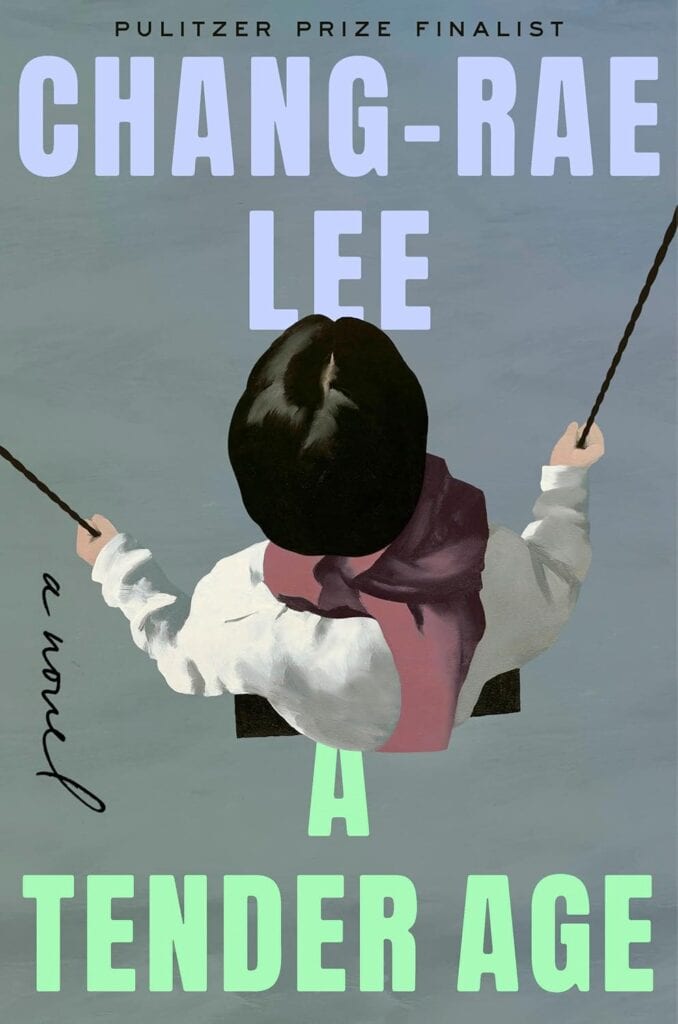
A Tender Age by Chang-Rae Lee
A Tender Age is a quieter book, but emotionally it hits hard. An adult Jeon-Gi looks back at himself as a 10 year old son of Korean immigrants growing up north of New York City. He is already learning how race, belonging, bullying, humiliation, fear, and the desire to fit in can shape the way a child understands himself. After his struggles escalate at school, his parents send him to a church summer camp, where he experiences friendship, a first crush, independence, embarrassment, and the kinds of small moments that can become enormous in memory. What I found so moving is the way the novel takes childhood pain seriously. These are not simply cute coming of age memories viewed through adult nostalgia. They are experiences that leave marks. If you gravitate toward reflective literary fiction about memory, identity, childhood, and the moments we continue carrying long after everyone else has forgotten them, I would absolutely put this on your fall list.
You can get a copy of this book on Amazon.
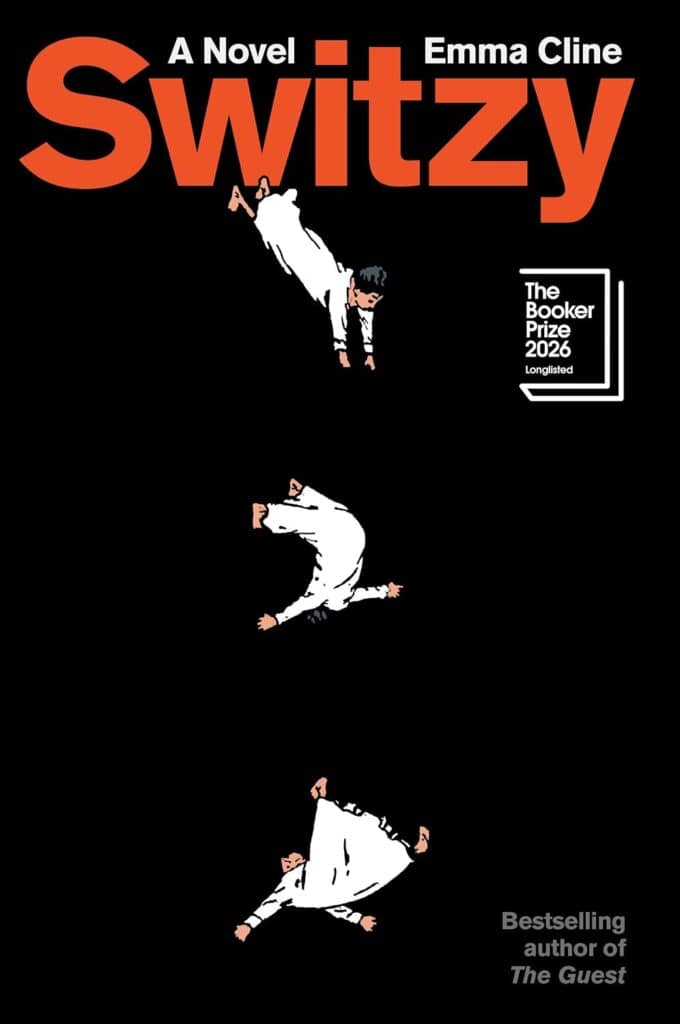
Switzy by Emma Cline
Switzy is unsettling in such a controlled way. David Hastings, a retired businessman living with Alzheimer’s disease, is traveling to Zurich on what he knows will be one of the final journeys of his life. The story stays close to his fragmented consciousness as present events blur with memories, half remembered words, childhood images, suspicion, regret, and the increasingly unreliable explanations his mind creates for the world around him. I loved how the book can be eerie and sad while still allowing these flashes of strange, bitter humor into David’s misunderstandings. The result is not a tidy portrait of a lovable older man looking back on a beautiful life. David is complicated, diminished, sometimes unpleasant, and deeply human. That is exactly what makes the perspective so absorbing. Read this when you want literary fiction that is intensely interior and more interested in the experience of consciousness than in traditional plot.
You can get a copy of this book on Amazon.
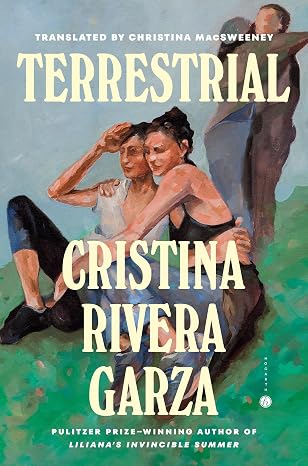
Terrestrial by Cristina Rivera Garza, translated by Christina MacSweeney
Terrestrial is the story collection I would give to the reader who wants something more experimental this fall. These stories circle around travel, danger, relationships, politics, gender, memory, and the uncertainty of what is fact and what is fiction. Rivera Garza keeps changing the rules just enough to make you pay closer attention. One story follows young women traveling while remaining painfully aware of the danger men might pose. Another plays with language by telling a relationship through what supposedly did not happen. I loved how the experimentation never feels like experimentation for its own sake. The strange structures are part of how the stories make you reconsider what you are reading and how you understand it. This is the book for the literary fiction reader who likes beautiful prose but also wants a writer willing to challenge the usual boundaries between fiction, memoir, journalism, and storytelling.
You can get a copy of this book on Amazon.
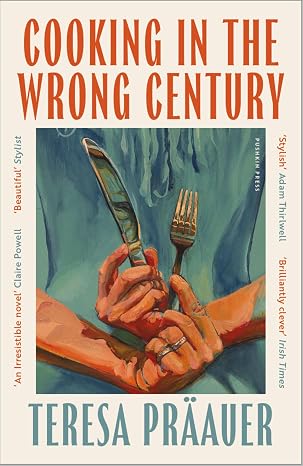
Cooking in the Wrong Century by Teresa Präauer, translated by Eleanor Updegraff
I am fascinated by novels that take something tiny and ordinary and somehow use it to talk about half the world, and Cooking in the Wrong Century does exactly that with a dinner party. A young Austrian couple hosts another couple and a professor, and the evening becomes a sharply observed look at privilege, feminism, consumption, history, travel, food, sex, class, and the strange contradictions of modern life. Details shift. Different versions of the evening seem to slide into one another. Even something as simple as making a quiche becomes connected to generations of women, access to ingredients, and the freedoms modern people take for granted. I loved how much is happening beneath what initially looks like such a small social gathering. This is absolutely the pick for readers who love cerebral literary fiction, dinner party tension, social observation, and books that make ordinary behavior suddenly look very strange.
You can get a copy of this book on Amazon.
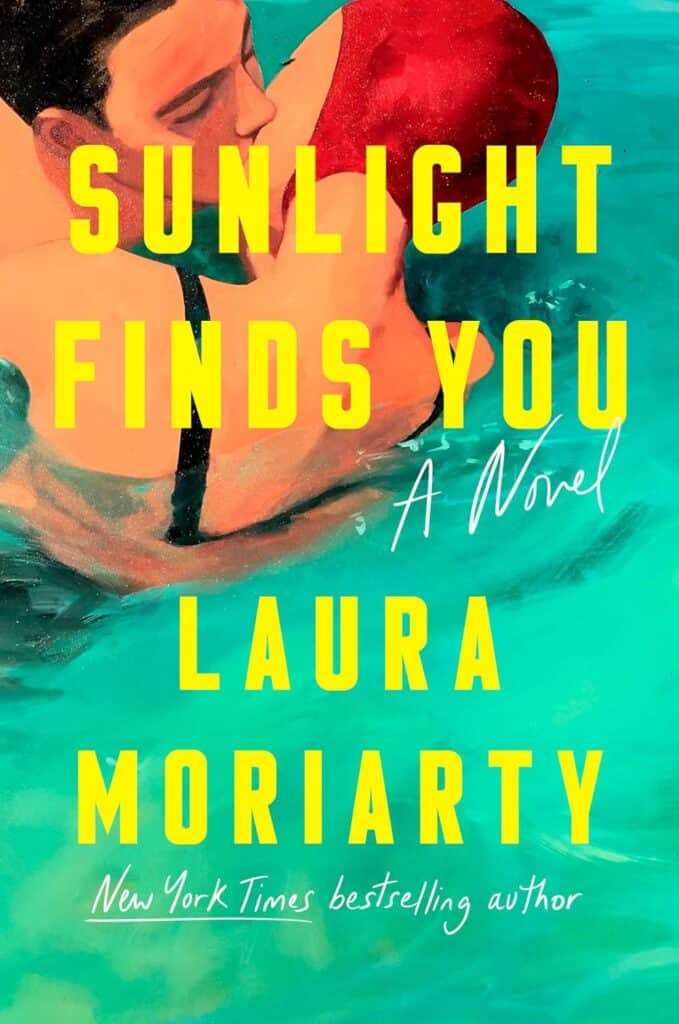
Sunlight Finds You by Laura Moriarty
Sunlight Finds You is historical literary fiction, but what made it feel so immediate to me is the way it centers women’s choices and all the ways those choices can be taken away. Nora is a bookish teenage girl whose pregnancy radically alters the course of her life. She is sent to a home for unwed mothers, gives up her baby through closed adoption, and then tries to build the version of adulthood expected of women in the 1950s. But grief, depression, secrets, and the trauma of what happened to her do not disappear just because everyone else expects her to move forward. I loved that the story does not treat Nora’s pregnancy as one dramatic event and then rush past its consequences. It follows the emotional aftermath and eventually the possibility of honesty and family healing. This is a strong choice if you love historical fiction that stays closely focused on character, family, reproductive choice, and women’s interior lives.
You can get a copy of this book on Amazon.
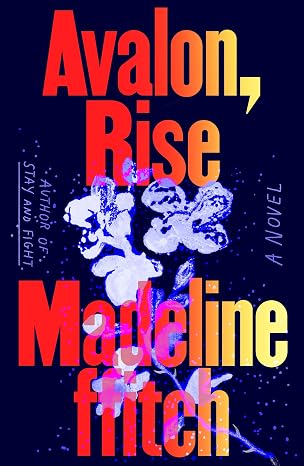
Avalon, Rise by Madeline ffitch
Avalon, Rise is a community novel in the truest sense. Instead of giving us one perfect hero who knows exactly what to do, it moves among people in an Ohio town whose existing fractures become impossible to ignore after a white nationalist arrives. Woody and Leroi were once best friends, but addiction, activism, race, family history, and their different paths into adulthood have complicated that bond. Around them is an entire network of parents, siblings, activists, veterans, organizers, and neighbors who all have their own ideas about what it means to resist harm and care for a community. I really appreciated that the book lets people who want to do good still be flawed, confused, or ineffective. Collective action sounds simple until actual humans have to do it together. This is a smart pick if you like literary fiction about community, activism, friendship, race, responsibility, and the messy work required to stand for something.
You can get a copy of this book on Amazon.
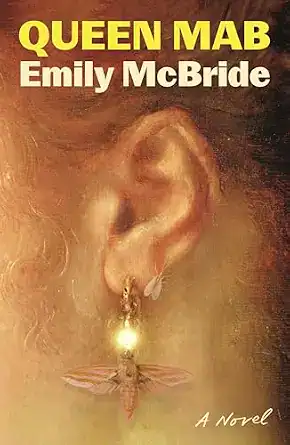
Queen Mab by Emily McBride
Queen Mab is one of the most intense books on this list, and I would especially recommend it to readers who like literary fiction that uses myth and folklore to enter a character’s psychological world. Madeleine is a young literature scholar who has recently given birth to her daughter, Maud. As postpartum depression and psychosis begin changing her perception of reality, Madeleine becomes consumed by faerie scholarship and the fear that Maud may be a changeling. Soon she is questioning not only her baby but herself. What struck me is how naturally the mythology becomes entangled with her illness. Madeleine reaches for the stories and research tools she knows because she desperately needs a framework for what is happening inside her own mind. The result is frightening, sad, and deeply compassionate toward the reality of maternal mental illness. Read this when you want dark, psychologically intense literary fiction that takes motherhood somewhere far beyond the sentimental version we are usually given.
You can get a copy of this book on Amazon.
How to Build the Perfect Fall 2026 Literary Fiction TBR
If you are building your own Fall Reading Guide 2026 stack, here is how I would personally mix these together:
- Choose one sweeping family saga: American Hagwon or The Book of Chuck
- Add one ambitious speculative literary novel: Exit Party or Sunrise
- Pick one deeply interior character study: Switzy or A Tender Age
- Include one novel centered on friendship, family, and relationships: Take What You Can or Appraisals
- Add one intellectually ambitious translated book: Range, Terrestrial, or Cooking in the Wrong Century
- Choose one literary novel tackling larger social systems: The Occidental Book of the Dead or Avalon, Rise
- Add one book about women, motherhood, or daughterhood: Female Life on Planet Earth, Sunlight Finds You, or Queen Mab
- Pick one big climate focused story: The Names of the New World
- Then round everything out with something voicey and completely different, like The True Confessions of First Lady Freeman
That would give you a fall reading stack with huge range without making the books feel random. You would have something expansive, something strange, something emotionally intimate, something experimental, and something that makes you look at the world a little differently. And that is really what I want from a literary fiction reading season.
Final Thoughts
Fall 2026 is giving literary fiction readers so much to work with. What I love most about this group is that there is no single version of what literary fiction has to look like. We have family sagas, climate fiction, satire, speculative novels, translated fiction, historical stories, experimental collections, quiet character studies, and huge social novels, but the books that worked best for me all have one thing in common: they made me care about the people inside them while giving me something bigger to think about. Those are always the books I remember. Now I want to hear from you. Have you read any of these books yet, or are you adding any of them to your TBR? Tell me which one immediately caught your attention because I am always ready to talk about the books taking over our reading lists.