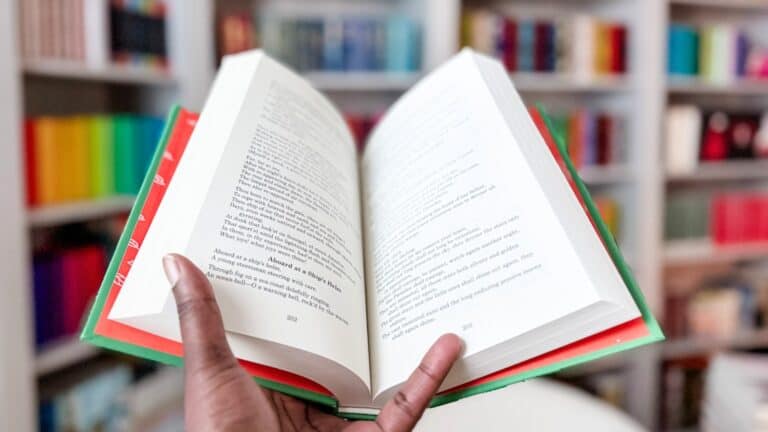
The Ultimate Guide to Gothic Poetry
Discover the magic of gothic literature poems—learn their history, key elements, top subgenres, and why dark verse is making a dazzling comeback.

The Ultimate Guide to Gothic Poetry: Origins, Themes & Why You Can’t Resist
I’ve always been drawn to the whisper of wind through crumbling towers and the hush before a phantom’s footsteps—and gothic poetry captures that thrill perfectly. Whether you’re new to the genre or a longtime fan of moonlit sonnets, this genre guide deep dive will walk you through the origin story, defining features, subgenres, and the modern resurgence that’s rekindling our love for dark verse.
From 18th-Century Shadows to 21st-Century Revival
Gothic poems emerged alongside the first gothic novels in the late 1700s, when writers like Horace Walpole sparked imaginations with The Castle of Otranto. Poets quickly followed, weaving terror and romance into lyric form. Samuel Taylor Coleridge’s Christabel and Lord Byron’s Childe Harold’s Pilgrimage layered personal longing over eerie landscapes. Fast-forward to today, and we’re experiencing a renaissance—thanks to social media communities, dark aesthetics trends, and a craving for stories that venture into our own psyches.
What Makes a Poem “Gothic”?
- Atmospheric Settings: Storm-lashed moors, moonlit ruins, candlelit crypts draw you into another world.
- Emotional Intensity: Themes of love, loss, and obsession surge beneath every line.
- Supernatural & Uncanny: Ghostly visitations, curses, and unexplained phenomena blur reality and fantasy.
- Symbols of Decay: Crumbling stone, withered roses, and broken mirrors reflect moral or personal ruin.
Core Themes & Dualities
Gothic poetry thrives on contrasts—beauty versus corruption, hope versus despair, innocence versus guilt. These opposing forces fuel tension, so each reading feels like trespassing on forbidden ground.

Key Elements to Spot in Every Gothic Poem
- Haunting Atmosphere: Vivid imagery that makes you shiver—think raven wings unfolding at midnight.
- Inner Turmoil: Protagonists wrestle with grief, passion, or madness, making their journeys deeply relatable.
- Moral Ambiguity: Heroes and villains aren’t clear-cut; sometimes the truest horror lives within.
- Alluring Darkness: Rather than pure shock, gothic poetry seduces you with its beauty before revealing its bite.
Subgenres to Explore
- Classic Gothic: Early works by Poe and Keats that set the standard for dark lyricism.
- Romantic Gothic: Emphasizes tragic love and sublime nature, as in La Belle Dame sans Merci.
- Psychological Gothic: Focuses on mental unrest and unreliable narrators—perfect for fans of mind-benders.
- Southern Gothic Verse: Infuses regional decay and social critique into haunting poetics.
- Urban Gothic: Modern settings—city skyscrapers as looming cathedrals of dread.
Want To Save This Post?
Why We Crave Gothic Poetry Today
There’s something cathartic about facing our fears—gothic verses let us explore anxieties in a safe space. Online bookstagrammers and poem-sharing communities have reignited interest in dark classics and fresh voices alike. Whether it’s the #darkpoetry hashtag or a midnight reading group, gothic literature poems are more alive than ever.
FAQs About Gothic Poetry
What’s a quintessential gothic poem?
Edgar Allan Poe’s “The Raven” tops every list—its refrain of “Nevermore” still echoes in our nightmares.
How do I know if a poem is gothic?
Look for moody settings, supernatural hints, emotional extremes, and symbols of decay or doom.
Can modern poets write gothic style?
Absolutely. Contemporary poets can blend classic motifs with today’s issues.
What do you think about gothic literature poems?
What do you think about gothic literature poems? Have you read any of them? What is your favorite gothic literature poems? Let’s talk all about gothic poetry in the comments below.