Winter Reading Guide 2026: 10 Must-Read Nonfiction Books
Build your winter reading guide 2026 nonfiction TBR with 10 powerful new books—memoir, history, criticism & more—perfect for cozy, thoughtful winter nights.

10 New Nonfiction Books to Cozy Up With in Winter 2026
Winter is when I naturally slip into slower routines, deeper thinking, and slightly heavier reads — the kind of books that make you look up from the page and just sit with your thoughts for a minute. So if you’re looking for my Winter Reading Guide 2026 nonfiction books to build your TBR and want fresh, conversation-starting titles, this list is your cozy roadmap.
Below you’ll find 10 new nonfiction books—memoir, history, literary criticism, and cultural commentary—that pair perfectly with cold nights, hot drinks, and long, reflective reading sessions.
Quick Picks If You Just Want to Grab One or Two
If you’re skimming on your lunch break (I see you), here are a few “start here” recs:

- If you want an “Educated”-style memoir: Homeschooled by Stefan Merrill Block
- If you love books about books and language: Always Carry Salt by Samantha Ellis or On Morrison by Namwali Serpell
- If you want historical drama with big feelings: Fly, Wild Swans by Jung Chang or The Blood Countess by Shelley Puhak
- If you’re craving pop culture + joy: Super Nintendo by Keza MacDonald or One Bad Mother by EJ Dickson
You truly can’t go wrong with any of these, but those are the ones I’d hand you first if we were browsing the shelves together.
How This Nonfiction Winter Guide Works
This list is part of my larger Winter Reading Guide 2026, but here we’re zooming in on nonfiction only — the true stories, deep dives, and brain-tickling reads that will keep you company all season.
You can mix these in with your winter mystery stack, romance picks, or SFF reads and build a really balanced, cozy-but-smart TBR.
Best New Nonfiction Books for Your Winter 2026 Reading List
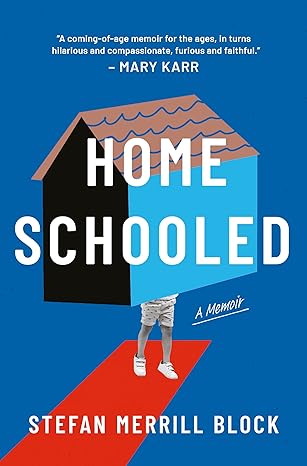
Homeschooled by Stefan Merrill Block
In Homeschooled, Stefan Merrill Block looks back on a childhood pulled out of the classroom and locked inside his mother’s untreated trauma, creating a “Nowheresville” of long days, strange rules, and a kind of loneliness that burrows under your skin. As he reconstructs those years — from crawling around the house to “improve handwriting” to the agonizing attempt to reenter public school — you watch him slowly reclaim his narrative and make sense of a mother he refuses to flatten into a villain. I picked this for the guide because it scratches the same itch as Educated: intense, unsettling, but ultimately thoughtful and humane. It’s perfect for readers who like memoirs about complicated families, resilience, and the messy grace of hindsight, and it left me feeling both heartbroken and oddly hopeful for the ways we can rewrite the past by telling the truth.
You can get a copy on Amazon.
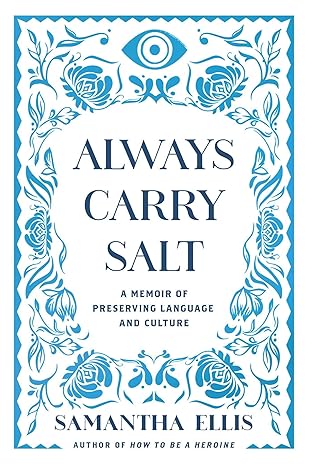
Always Carry Salt: A Memoir of Preserving Language and Culture by Samantha Ellis
Always Carry Salt follows Samantha Ellis as she retraces her family’s Judeo-Iraqi roots and realizes how close she is to losing a language and culture that once felt as everyday as breathing. Moving between London and the memories and food of Baghdad’s vanished Jewish community, she uses stories, recipes, and linguistic deep dives to ask what we actually pass on when home no longer exists in one place on a map. I chose this because it’s both intimate and quietly expansive — a beautiful pick if you love food writing, diaspora stories, or books like In Memory’s Kitchen or My Family and Other Strangers. It made me ache in that good, reflective way, and it’s ideal for readers who like their nonfiction tender, sensory, and layered with history.
You can get a copy on Amazon.
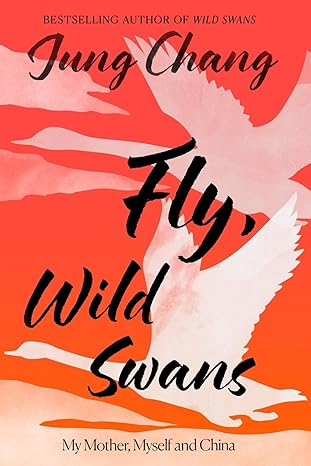
Fly, Wild Swans: My Mother, Myself and China by Jung Chang
In Fly, Wild Swans, Jung Chang returns to the story she began in Wild Swans, continuing her family history through the Cultural Revolution, its aftermath, and her eventual life in exile. This time, the focus tilts even more strongly toward her mother — their bond, their political disillusionment, and what it means to belong to a country that repeatedly turns on its own people. I added this to the winter guide because it’s the kind of sweeping, generational nonfiction that rewards long, quiet evenings when you’re ready to really sink in. It’s perfect for readers who loved Wild Swans, The Splendid and the Vile, or big, narrative-driven histories, and it left me feeling sobered, furious, and deeply moved all at once.
You can get a copy on Amazon.
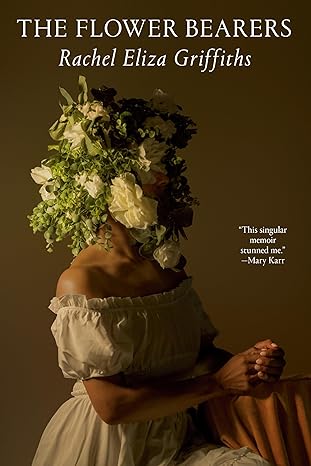
The Flower Bearers by Rachel Eliza Griffiths
The Flower Bearers is Rachel Eliza Griffiths’ intimate memoir of a decade defined by extraordinary love and staggering loss: her marriage to Salman Rushdie, her best friend’s sudden death, and the shocking attack that nearly killed her husband. Moving between past and present, friendship and marriage, private grief and public violence, she writes about how you carry joy and trauma in the same body — and how art can be both a refuge and a way through. I chose this for the guide because it’s luminous and emotionally rich, the sort of book you read slowly, underlining line after line. It’s for readers who love poetic memoirs like The Light of the World or Year of Magical Thinking, and it left me feeling wrung out but comforted, like I’d been sitting with a friend who refuses to look away from the hard parts.
You can get a copy on Amazon.
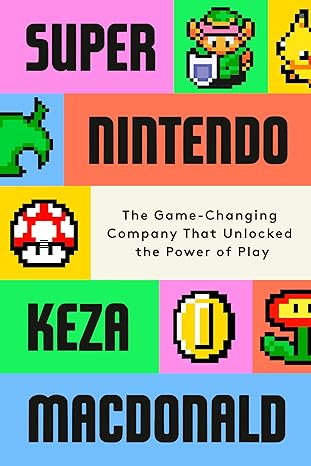
Super Nintendo: How One Japanese Company Helped the World Have Fun by Keza MacDonald
If you grew up blowing into cartridges or arguing over whose turn it was to play Mario Kart, Super Nintendo will feel like a warm, nerdy hug. Keza MacDonald traces Nintendo’s journey from a hanafuda card company to a global gaming powerhouse, pulling you through the invention of the Game Boy, the rise of Super Mario Bros., Zelda, and Pokémon, and the design philosophy that believes games should be joyful, surprising, and accessible. I picked this because winter is the perfect time for nostalgia reads that still teach you something, and this one balances industry history with pure fun. It’s ideal for readers who love pop culture deep dives like Console Wars or Blood, Sweat, and Pixels, and it left me grinning, texting friends memories of old consoles, and appreciating how much care goes into the games that shaped so many childhoods.
You can get a copy on Amazon.
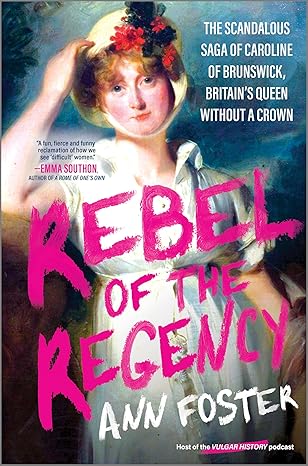
Rebel of the Regency: The Scandalous Saga of Caroline of Brunswick, Britain’s Uncrowned Queen by Ann Foster
In Rebel of the Regency, Ann Foster tells the wildly dramatic life story of Caroline of Brunswick — trapped in a disastrous marriage to the future George IV, adored by the public, and relentlessly undermined by the men around her. From drunken wedding nights and court intrigue to very public attempts to divorce and humiliate her, Caroline emerges not as a cartoon villain or saint, but as a complicated, defiant woman who refused to stay quiet. I chose this one because it’s catnip for readers who love Bridgerton and royal gossip but also want real history, sharp context, and a feminist lens. If you enjoy writers like Alison Weir or podcast-y biographies packed with messy detail, this will be such a fun winter pick — I finished it both entertained and absolutely fired up on her behalf.
You can get a copy on Amazon.
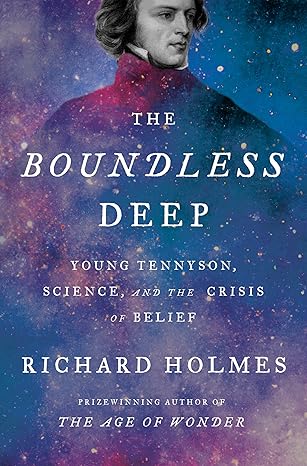
The Boundless Deep: Young Tennyson, Science, and the Crisis of Belief by Richard Holmes
The Boundless Deep zooms in on Alfred Tennyson’s “vagrant years” — before he became the beardy Victorian icon — when he was a young, grief-stricken poet wrestling with new science, old faith, and the sudden death of his closest friend. Richard Holmes follows him through early poems, friendships, and breakdowns, showing how works like In Memoriamgrew from the collision of geology, astronomy, and theology in his imagination. I picked this because it’s exactly the kind of literary biography that pairs beautifully with long winter afternoons: thoughtful, a little moody, and rich with context. It’s for readers who love poetry, Victorian history, or books like The Age of Wonder and Romantic Outlaws, and it left me with that cozy “let me pull a classic off the shelf and reread it with fresh eyes” feeling.
You can get a copy on Amazon.
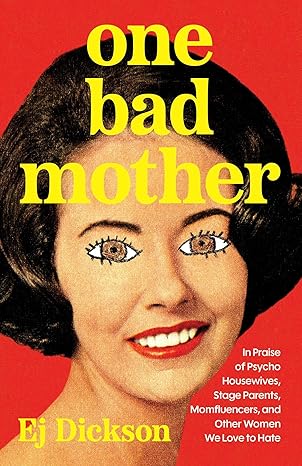
One Bad Mother: In Praise of Psycho Housewives, Stage Parents, Momfluencers, and Other Women We Love to Hate by EJ Dickson
In One Bad Mother, EJ Dickson digs into our cultural obsession with “bad moms” — from reality TV stage parents and psycho housewives to Instagram momfluencers — and asks what these archetypes say about the impossible standards mothers are expected to live up to. Blending history, media analysis, and sharp humor, she shows how the good/bad mom binary shifts with every era but never really lets women win. I chose this because it’s the kind of pop culture–meets–feminism nonfiction that sparks great conversations in group chats and book clubs. It’s perfect for readers who enjoy books like Too Fat, Too Slutty, Too Loud or All the Single Ladies, and it left me feeling seen, annoyed in the best way, and ready to side-eye every lazy “bad mom” character on screen.
You can get a copy on Amazon.
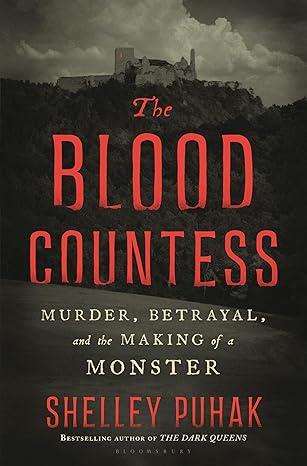
The Blood Countess: Murder, Betrayal, and the Making of a Monster by Shelley Puhak
The Blood Countess revisits the legend of Elizabeth Bathory — long billed as history’s most prolific female serial killer — and carefully picks apart what’s fact, what’s propaganda, and what happens when a powerful woman becomes a convenient monster. Shelley Puhak sifts through letters, legal documents, and political context to show how religion, land, and patriarchal power struggles all shaped the story we think we know. I chose this for winter because it scratches that true-crime itch without reveling in gore, and it offers something much richer: a feminist, historically grounded rethink. It’s great for readers who like narrative history and nuanced true crime like Say Nothing or The Five, and it left me thoughtful, unsettled, and grateful for writers who complicate easy myths.
You can get a copy on Amazon.
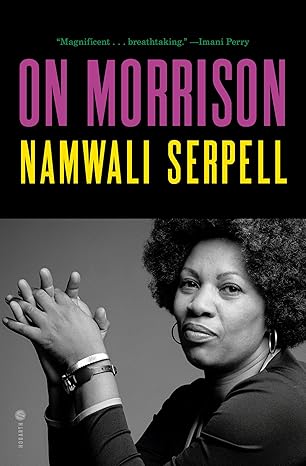
On Morrison by Namwali Serpell
In On Morrison, novelist and scholar Namwali Serpell dives deep into Toni Morrison’s fiction, essays, and plays to explore why her work can feel so “difficult” — and why that difficulty is part of its power. Moving from Beloved and Tar Baby to the short story “Recitatif,” Serpell unpacks Morrison’s aesthetics, her choices around race and ambiguity, and the way her writing demands active, attentive readers. I chose this because winter is the perfect time to sit with a beloved author more slowly, and this felt like having a brilliant friend walk me through those layered texts. It’s for readers who love Morrison, Black literary criticism, or books like The Source of Self-Regard and Thick, and it left me inspired to reread Morrison with new tools, new questions, and even more awe.
You can get a copy on Amazon.
How to Build Your Cozy Winter 2026 Nonfiction Stack
If you’re not sure where to start, here’s one way to shape your winter TBR:
Want To Save This Post?
- For big, sweeping history & politics: Fly, Wild Swans • Rebel of the Regency • The Blood Countess
- For memoir & emotional deep dives: Homeschooled • Always Carry Salt • The Flower Bearers
- For lit lovers & bookish brains: The Boundless Deep • On Morrison
- For pop culture & fun but smart reads: Super Nintendo • One Bad Mother
Mix and match a “heavier” book with something more pop and voicey so your winter reading feels nourishing, not like homework.
Tell Me Your Winter Nonfiction TBR
Now it’s your turn: Which of these 2026 Winter Reading Guide nonfiction picks are you planning to read—or add to your TBR—for the season?
Drop your choices in the comments and tell me your favorite kind of nonfiction in winter (memoir, history, big ideas, pop culture, essays, etc.). If you end up building a little winter nonfiction stack, I’d love to see it.