Where to Start Reading Classics: 7 Easy First Picks for Modern Readers
Wondering where to start reading classics? Try these 7 approachable books, plus my simple beginner plan for enjoying classic literature without pressure.

New to Classic Literature? Start With These Books
Hi Bookish Besties, If you’ve ever decided you were finally going to read more classics, searched where to start reading classics, and then immediately found yourself staring at lists of 100 “essential” books, I completely understand why you closed the tab. Classic literature has somehow acquired this reputation that you need to begin with the biggest, densest, most intimidating book on the shelf. The truth is, you don’t. In fact, I think that is one of the fastest ways to convince yourself that classics aren’t for you. So my approach is much simpler and centers on one main reading tips: Your first classic should make you want to read a second one. That’s it. You don’t need to read chronologically. You don’t need to understand every historical reference. You don’t have to begin with Dickens because someone decided that’s what “well-read” people do. Start with a story that already sounds like something you would enjoy. So let’s make classic literature feel like reading again not homework.
The Quick Answer: Where Should You Start Reading Classics?
If you want me to narrow everything down immediately, these are the books I would put in front of a new classics reader first:
- The Great Gatsby for a short, recognizable first classic
- Rebecca for suspense and gothic atmosphere
- Pride and Prejudice for romance, wit, and unforgettable characters
- Passing for something brief, intense, and psychologically sharp
- Animal Farm for an extremely approachable political classic
- The Picture of Dorian Gray for wit, darkness, and moral messiness
- Frankenstein for gothic fiction with much more emotional depth than most readers expect
Stop Trying to Start With the “Most Important” Classic
This is probably my biggest piece of advice. Don’t ask: What classic am I supposed to read first? Ask: What kind of story do I already enjoy reading? That alone changes everything. If you normally devour thrillers and I hand you a slow 700-page social novel because it appears on every “greatest books” list, there’s a decent chance you’re going to struggle. That doesn’t mean you’re bad at classics, it means I gave you the wrong book. I’ve found that the easiest way into classic literature is through something familiar. Romance reader? Give Austen a chance. Mystery and suspense reader? Start with Rebecca. Love dark characters? Meet Dorian Gray. Prefer shorter books? Passing, Animal Farm, and The Great Gatsby are waiting. You have all the time to tackle the intimidating books later, they aren’t going anywhere.
7 Beginner-Friendly Classics I’d Actually Recommend First

The Great Gatsby by F. Scott Fitzgerald
If you’re nervous about reading classics because you imagine hundreds of pages of dense prose, The Great Gatsby is a very good place to begin. It’s short, the story is relatively easy to follow, and underneath all those famous parties is a surprisingly sad novel about longing, class, othering, obsession, reinvention, and the danger of trying to recreate the past. Jay Gatsby has built an entire identity around the belief that he can somehow return to a version of life that existed before. That idea is part of what keeps the novel from feeling dusty to me, plus we’ve all had some version of wanting to go backward. I also think this Fitzgerald book is wonderful for new classics readers because you get beautiful language without having to fight your way through the book. So start here if: you want something short, famous, emotional, and relatively easy to finish.
You can get a copy of The Great Gatsby by F. Scott Fitzgerald on Amazon.

Rebecca by Daphne du Maurier
If you’re coming to classics from thrillers, mysteries, or gothic fiction, this might actually be my number-one recommendation. A young woman marries the wealthy widower Maxim de Winter and moves with him to Manderley, his enormous estate. The problem? His first wife, Rebecca, is dead but her presence seems to be everywhere. This book has tension and atmosphere like no other. That’s why I love recommending it to readers who think classic literature will automatically be slow. Du Maurier keeps this feeling of unease running underneath everything, and the narrator’s insecurity and obsession make the psychological side feel incredibly modern. I’ve returned to Rebecca because it gives me exactly what I want from atmospheric reading: a house with secrets, complicated relationships, and the constant sense that something is wrong. So start here if: you already love suspense, gothic novels, psychological tension, or messy marriages.
You can get a copy of Rebecca by Daphne du Maurier on Amazon.

Pride and Prejudice by Jane Austen
This was the Jane Austen novel that first pulled me into her world as a teenager, and I still think it’s the best Austen starting point for most readers. Yes, there is romance, but Pride and Prejudice is also funny. That’s the thing I wish someone had emphasized more when I first encountered Austen. Elizabeth Bennet is observant, clever, judgmental, loving, and sometimes very wrong. Mr. Darcy is proud, awkward, and also sometimes very wrong. Watching both of them slowly realize that their first impressions aren’t necessarily reality is what makes the relationship satisfying. Every time I return to this book, I notice more of Austen’s humor and more of what she’s saying about family, money, marriage, reputation, and the limited options available to women. So start here if: you love romance, banter, complicated families, or character-driven stories.
You can get a copy of Pride and Prejudice by Jane Austen on Amazon.
Passing by Nella Larsen
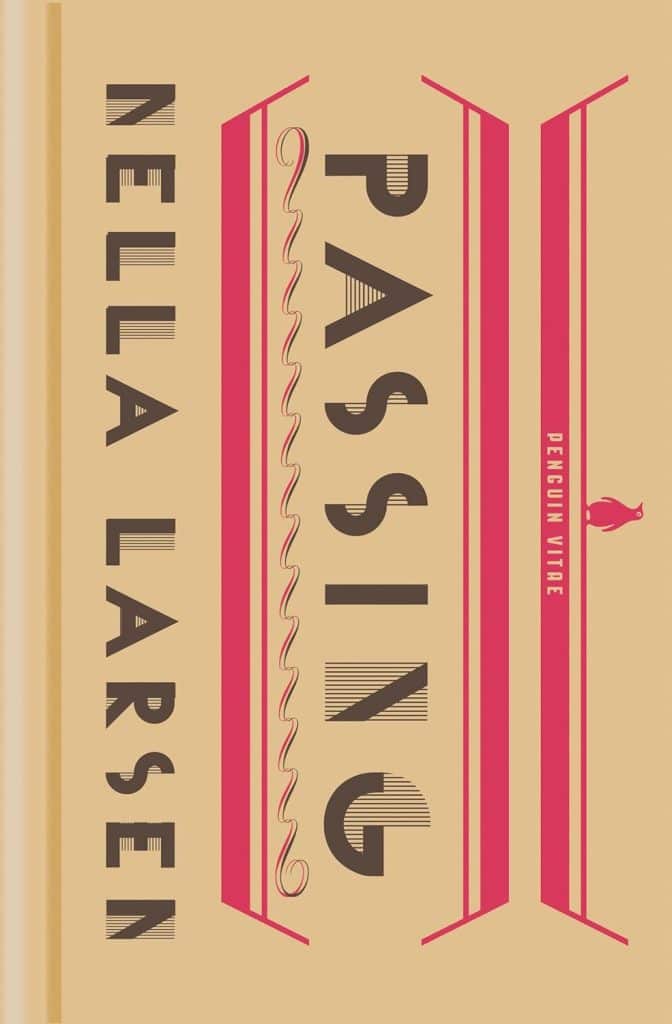
If you want proof that a classic can be short and still completely rearrange your thoughts, read Passing. The novel centers on Irene Redfield and Clare Kendry, two Black women whose lives have taken very different paths. Clare is ‘passing’ living as white woman, and their renewed connection brings questions of identity, desire, belonging, race, security, and social expectation to the surface. It is incredibly compact, and emotionally, it is anything but small. I love recommending Passing to readers who enjoy contemporary literary fiction because the psychological tension feels immediate, and Larsen leaves you with questions rather than wrapping everything neatly for you. It’s the sort of book I finish and immediately want to discuss with someone. So start here if: you want something short, psychologically rich, socially sharp, and discussion-worthy.
You can get a copy of Passing by Nella Larsen on Amazon.
Animal Farm by George Orwell
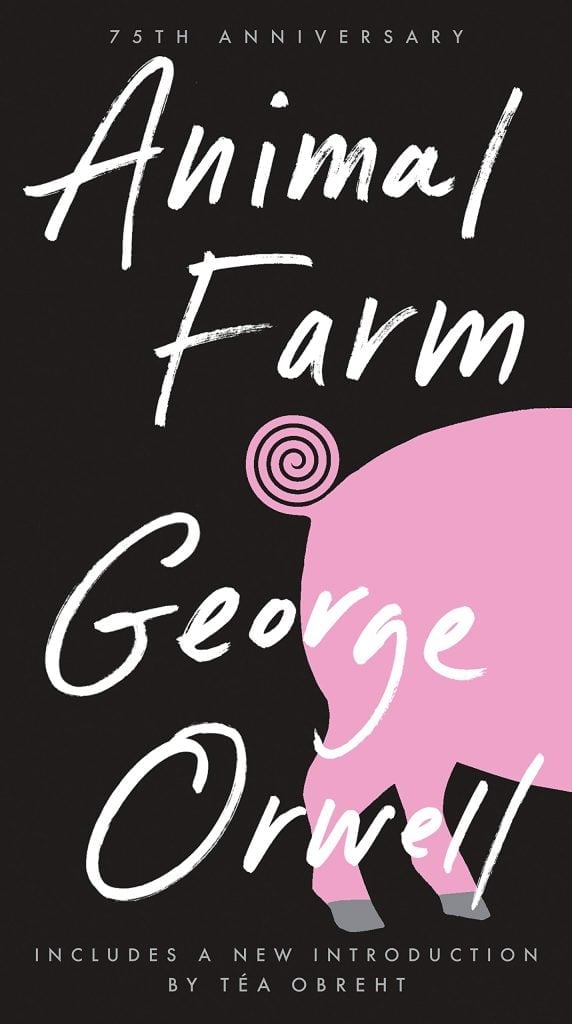
If the size of a classic is what’s intimidating you, Animal Farm removes that excuse very quickly. On the surface, it’s about farm animals rebelling against their human owner and attempting to build a fairer society. Underneath, it’s a sharp political allegory about power, revolution, corruption, propaganda, and what happens when leaders begin rewriting the principles they claimed to defend. Orwell is also very readable and you don’t need to decode ornate prose to understand what’s happening. That makes this one especially useful as a first political classic, and if it works for you, 1984 is a natural next step. So start here if: you like political fiction, dystopian ideas, allegory, or very short classics.
You can get a copy of Animal Farm by George Orwell on Amazon.

The Picture of Dorian Gray by Oscar Wilde
If you want your classics with wit, decadence, corruption, and terrible decision-making, meet Dorian Gray. Dorian is young and beautiful, and when he realizes that his portrait will age while he loses his youth, he wishes things could somehow be reversed. Unfortunately for basically everyone involved, that wish has consequences. What I enjoy about this one is that Wilde gives you big philosophical questions about beauty, morality, influence, pleasure, and corruption while also filling the book with lines you want to underline. It’s dark, but it’s entertainingly dark. So start here if: you like gothic fiction, morally questionable characters, dark academia energy, or sharp dialogue.
You can get a copy of The Picture of Dorian Gray by Oscar Wilde on Amazon.
Frankenstein by Mary Shelley
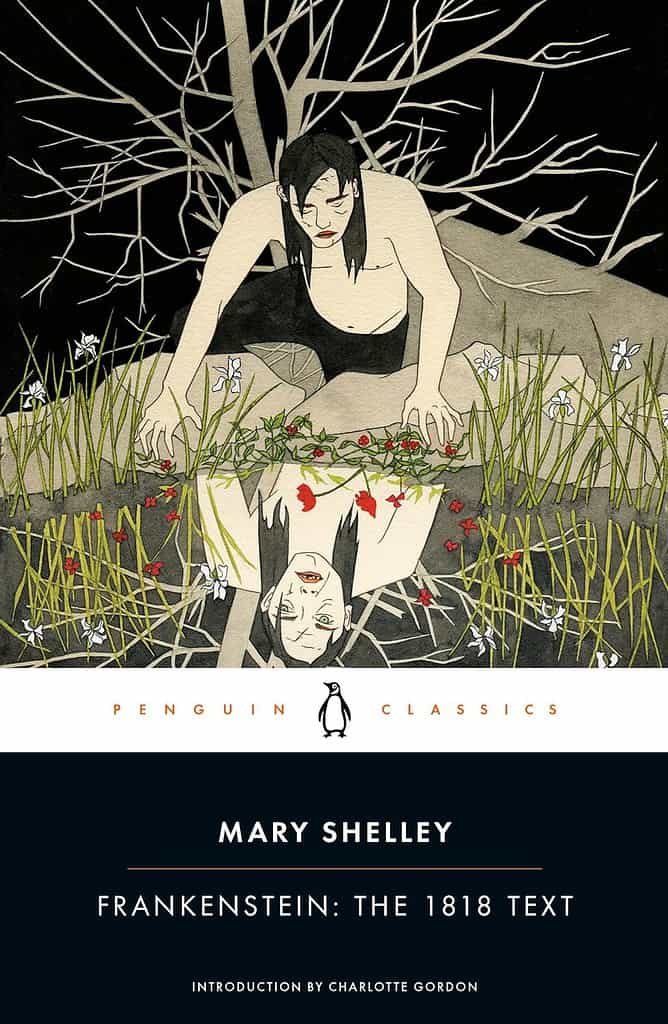
Most people think they know Frankenstein before they read it. They think scientist, monster, lightning; except the actual novel is much sadder and stranger than the pop-culture version. Victor Frankenstein becomes consumed with creating life, succeeds, and then immediately recoils from what he has made. What follows is really about responsibility, abandonment, loneliness, ambition, prejudice, and the consequences of refusing to take responsibility for your choices. The creature was the biggest surprise for me. He isn’t the mindless monster many adaptations make him out to be, and that completely changes the emotional weight of the story. So start here if: you like gothic fiction, horror, science fiction, philosophical questions, or books about outsiders.
You can get a copy of Frankenstein by Mary Shelley on Amazon.
My Beginner Classics Rule: One Good Experience Before One Big Challenge
I wish more readers gave themselves permission to do this. You do not need to start your classics journey with the book that intimidates you most or the book everyone talks about the most. In fact, I’d do the opposite. Read two or three approachable classics first so you can learn what you like. Maybe you discover that nineteenth-century dialogue doesn’t bother you at all. Maybe you love gothic fiction but cannot stand sprawling family sagas. Maybe you discover that you prefer twentieth-century classics. Great, because now you’re choosing based on actual experience rather than some imaginary version of what a classics reader is supposed to enjoy. Once you have a few wins behind you, the bigger books feel much less intimidating.
A Simple 3-Book Plan for Getting Into Classics
If you want an actual roadmap instead of another endless list, here’s how I’d do it.
Book One: Choose Something Short
Start with Passing, Animal Farm, or The Great Gatsby. Your goal is simply to finish a classic and enjoy doing it.
Want To Save This Post?
Book Two: Choose Your Favorite Genre
Now pick the classic closest to what you already love. Thriller reader? Rebecca. Romance reader? Pride and Prejudice. Gothic reader? The Picture of Dorian Gray.
Book Three: Stretch Yourself Slightly
Only now would I choose something a little longer, older, or more challenging. This is when you might try Jane Eyre, Wuthering Heights, 1984, or another book you’ve always been curious about. By then, you’re not walking into classic literature cold.
Classics I Wouldn’t Necessarily Recommend as Your Very First One
This doesn’t mean these books aren’t brilliant, it means timing matters. For me Moby-Dick is fascinating, but I would not hand it to someone who already thinks classics are boring. Ulysses does not need to be anybody’s trial-by-fire introduction and I still haven’t touched it myself personally. And while I love Wide Sargasso Sea, I think it becomes much richer after you’ve read Jane Eyre. Part of its power comes from the way Jean Rhys responds to and challenges Charlotte Brontë’s novel. So sometimes a book isn’t difficult, it just isn’t the best starting point. There’s a difference.
What If You Don’t Understand Everything?
You won’t, and neither did I, and that’s fine. You do not need to identify every allusion, understand every historical custom, or remember the significance of every obscure political reference to enjoy a classic. Look things up when curiosity genuinely improves the experience. But don’t turn reading into research unless research is the part you enjoy. My rule is simple: understand enough to stay inside the story, and that’s it, you can always dig deeper afterward.
Modern Editions, Audiobooks, and Other Things That Make Classics Easier
I am firmly in favor of using whatever helps you enjoy the book. A good annotated edition can be wonderful if the historical context matters. An audiobook can make older sentence structures suddenly click because you’re hearing the rhythm instead of parsing it on a page. I’ve also heard from so many readers that reading along with audio works beautifully too. And if you’re reading a work originally written in another language, the translation absolutely matters. If a book feels painfully wooden, sometimes the problem isn’t you, it may simply be the edition.
Give Yourself Permission to DNF a Classic
I need this in bold metaphorical letters: You are allowed to stop reading a classic. Its reputation does not obligate you to finish it. I think we give classics a strange authority that contemporary books don’t have which should not be the case. If a new novel bores us for 150 pages, we put it down, but if a famous book bores us for 150 pages, we assume we’re failing some kind of intellectual test. No, and please stop! Maybe you’ll come back to it in ten years and love it, and maybe you won’t. Either outcome is fine.
What to Read After These Beginner Classics
Once you’ve finished a couple and feel ready to branch out, that’s when I would start following the authors, genres, and themes you enjoyed.
- Loved Pride and Prejudice? Try Emma or Northanger Abbey next.
- Loved Rebecca? Explore more gothic classics.
- Loved Animal Farm? Move into 1984 and then other dystopian classics.
- Loved Frankenstein? Try Dracula or The Strange Case of Dr. Jekyll and Mr. Hyde.
- Loved Passing? Explore more Harlem Renaissance literature.
The goal isn’t to follow somebody else’s canon, it’s to start building your own.
Final Thoughts: You Don’t Have to Earn Your Way Into Classics
If you’re still wondering where to start reading classics, I want you to forget about becoming “well-read” for a minute. Just pick one story that sounds good and let that be the beginning. You don’t need to conquer a canon, you don’t need to understand every paragraph perfectly, and you definitely don’t need to force yourself through a book you hate because somebody decided it was important 150 years ago. Classic literature became much more enjoyable for me when I stopped treating it like something I needed to prove I could read and started choosing books the same way I choose everything else: Does this story make me curious? Start there. If you want my personal first pick, I’d choose Rebecca if you normally read modern fiction or Pride and Prejudice if romance and character-driven stories are already your thing. Then come back and tell me what you thought. And if you’re already dipping your toes into classics, I want to know: which book made classic literature finally click for you?