
Best Christmas Stories to Read: Classics, Modern & More
Find the best Christmas stories to read, from timeless classics and short tales to modern favorites, ghost stories, family reads, and cozy holiday fiction.

The Christmas Stories I’d Actually Read Every December
Hi Bookish Besties, every December, I come back to the same realization: I do not want just one kind of Christmas story. Some nights I want Charles Dickens, ghosts, candlelight, and Victorian moral reckoning. Other nights I want a modern bookshop, messy family dynamics, a Christmas romance, or something short enough to finish before I realize I should have gone to bed an hour ago. That variety is part of what makes Christmas reading so much fun for me.
But I am also much pickier about holiday books than “it happens in December, therefore I love it.” The Christmas stories I remember are the ones where the season actually matters. Christmas should create the tension, reveal something about the characters, bring people together, sharpen a loss, inspire a transformation, or make the setting feel impossible to separate from the story itself. Otherwise, I am simply reading a regular novel beside a decorated tree.
That is why I wanted this guide to become the real starting point for Christmas stories on BiblioLifestyle. Instead of trying to make one enormous list do everything, I am using this page to show you the books I think best represent the different corners of Christmas reading: classics, short stories, ghost stories, books for younger readers, modern Christmas fiction, mysteries, and stories that are particularly good for sharing aloud. Then, when you know which direction you want to go, I have deeper guides devoted to those specific reading moods.

If you want my fastest recommendations, I would choose A Christmas Carol for the essential classic, The Gift of the Magi when you want something short, The Signalman when Christmas requires a ghost, The Christmas Bookshop for cozy modern fiction, The Deal of a Lifetime for a brief contemporary read with emotional weight, The Polar Express for family reading, and Hercule Poirot’s Christmas when your holiday spirit requires a locked room and a body. That combination probably tells you everything you need to know about my December bookshelf.
The Best Christmas Stories by Reading Mood
When someone asks me for “the best Christmas story,” I always want to know what kind of Christmas they are trying to have.
If you want the story that feels most essential to the season, I would choose A Christmas Carol. It gives you ghosts, snow, memory, generosity, social conscience, transformation, and one of literature’s great Christmas mornings. There is a reason I return to it every year.
For the shortest emotional punch, read The Gift of the Magi. If you want old-fashioned wonder, try The Nutcracker and the Mouse King. For something unsettling by the fire, choose The Signalman or M. R. James’s Lost Hearts.
If modern coziness is the goal, I would go with The Christmas Bookshop. If you want a contemporary story that is more about found family and emotional connection than Christmas romance alone, The Christmas Orphans Club or A Home for the Holidays is more my speed. And if December has left you with exactly one hour of functioning attention, Fredrik Backman’s The Deal of a Lifetime proves you do not need a huge novel for a Christmas story to leave a mark.
Classic Christmas Stories That Still Deserve the Hype
I love classics year-round, but Christmas is one of the times when rereading feels especially appropriate. These stories have already accumulated generations of memory around them, and part of the pleasure is knowing that readers have been returning to many of the same scenes long before any of us arrived.

A Christmas Carol by Charles Dickens
A Christmas Carol remains the Christmas story I measure other Christmas stories against. Ebenezer Scrooge begins the novella isolated by greed, resentment, and his refusal to recognize other people’s humanity. One night with Marley and the Spirits of Christmas Past, Present, and Yet to Come forces him to see how he became that man, what his choices are doing now, and where they will lead if he refuses to change.
I reread this every December, and the strange thing is that a different part usually catches me depending on the year. Sometimes it is Marley’s chain. Sometimes it is the Cratchit family. Sometimes it is Ignorance and Want. Increasingly, it is that final morning when Scrooge realizes he still has time.
That is why the book lasts for me. It is not really saying Christmas makes people nicer. It is saying seeing clearly can create responsibility, and responsibility means living differently afterward.
I have a separate deep dive into A Christmas Carol because there is far more happening in it than a brief recommendation can hold, but if you read only one classic Christmas story this year, this would still be mine.
You can get a copy of A Christmas Carol by Charles Dickens on Amazon or Bookshop.

The Gift of the Magi by O. Henry
The Gift of the Magi is one of the best examples I know of a story being exactly as long as it needs to be. Della and Jim are young, deeply in love, and short on money. Each secretly sacrifices the possession they value most to buy the other a Christmas gift. Of course, O. Henry has an irony waiting for them.
I already know the ending, and it still gets me because the actual gifts are almost beside the point. What matters is what each person was willing to surrender for the other. I like rereading this at Christmas because it cuts through so much noise around presents. The objects fail beautifully. The love does not.
You can get a copy of The Gift of the Magi by O. Henry on Amazon or Bookshop.

The Fir-Tree by Hans Christian Andersen
The Fir-Tree is a Christmas story I appreciate more as an adult than I ever would have as a child. A young fir tree spends its life wanting the next stage to arrive. It wants to grow, to leave the forest, to become something important, to experience whatever exciting thing comes next. And because it is always longing forward, it barely notices the life it already has.
This is not exactly cheerful Christmas reading, but it is useful Christmas reading. December is one of the easiest months to spend preparing for the next moment instead of inhabiting the current one, which makes Andersen’s little tree uncomfortably relatable.
You can get a copy of The Fir-Tree by Hans Christian Andersen on Amazon or Bookshop.

The Nutcracker and the Mouse King by E. T. A. Hoffmann
Long before the ballet became part of Christmas culture, E. T. A. Hoffmann wrote the strange, magical story behind it. The Nutcracker and the Mouse King gives us toys coming alive, battles, transformation, imagination, and a much odder world than some of the sweeter stage adaptations suggest.
That strangeness is exactly what I like about it. Christmas stories do not always have to be gentle. Fairy tales are allowed teeth. This is particularly fun to read if seeing The Nutcracker ballet is already one of your traditions, because the original story gives you another way into a world you think you know.
You can get a copy of The Nutcracker and the Mouse King by E.T.A. Hoffmann on Amazon or Bookshop.

A Christmas Memory by Truman Capote
A Christmas Memory is quieter than almost everything around it on this list. Capote looks back at his childhood relationship with an older cousin and their annual ritual of making fruitcakes together. Not much has to happen, because memory is the story. That is what I love about it.
The older I get, the more convinced I become that Christmas traditions gain their power retroactively. Something ordinary happens every year until one day it is no longer possible, and only then do you fully understand that the ordinary thing was precious. This is one of my favorite choices when I want Christmas reading to be reflective rather than plot-driven.

Christmas at Thompson Hall by Anthony Trollope
Christmas at Thompson Hall gives us holiday travel plans going spectacularly wrong, misunderstandings, inconvenience, and the kind of social comedy Trollope handles beautifully. I enjoy it because Christmas literature sometimes takes the holiday so seriously that it forgets Christmas is also extremely good at producing absurd situations.
Travel is delayed. People end up where they did not intend to be. Everyone has opinions. Somebody’s carefully constructed plan collapses. That sounds considerably closer to many real holidays than the perfectly decorated version.
You can get a copy of Christmas at Thompson Hall by Anthony Trollope on Amazon.

Letters From Father Christmas by J. R. R. Tolkien
Letters From Father Christmas is technically a collection of letters Tolkien created for his children rather than a conventional novel, but it absolutely belongs in my Christmas-story universe. Tolkien spent years building an ongoing North Pole world complete with Father Christmas, the North Polar Bear, disasters, adventures, drawings, and elaborate correspondence.
The imagination is delightful, but what moves me most is the devotion behind it. This is Christmas storytelling as an act of love. Tolkien did not simply buy his children a fantasy. He made one for them year after year.
You can get a copy of Letters from Father Christmas by J.R.R. Tolkien on Amazon or Bookshop.
Short Christmas Stories for Nights When You Have No Time
I love a long novel, but December often laughs at my reading ambitions. That is why Christmas short stories matter. A complete story in twenty minutes or an hour can preserve a reading habit without turning books into another area where I feel behind.
I have a separate guide devoted specifically to short Christmas stories, particularly for adults, but these are the few I would use as the doorway into that part of the Christmas-story shelf.

The Night Before Christmas by Clement Clarke Moore
The poem usually known as The Night Before Christmas has become almost inseparable from Christmas Eve itself. The rhyme, the sleigh, the reindeer, the stockings, and the anticipation are all so embedded in popular Christmas imagery that reading it can feel less like encountering a text and more like performing a ritual.
That is exactly why it works as a read-aloud. You are not reading to discover what happens. You are reading because it is Christmas Eve and this is one of the ways you mark it.
You can get a copy of The Night Before Christmas by Clement Clarke Moore on Amazon or Bookshop.

The Little Match Girl by Hans Christian Andersen
The Little Match Girl is not cozy. I think that is worth stating before someone selects it for a cheerful family reading night and wonders what I have done to them. It is devastating. Andersen uses a child’s suffering to confront readers with poverty, neglect, longing, and the distance between festive abundance and the people who remain outside it.
I include it because Christmas literature has always contained that tension. Celebration and suffering exist at the same time, and some stories ask us not to look away.
You can get a copy of The Little Match Girl by Hans Christian Andersen on Amazon or Bookshop.

Yes, Virginia, There Is a Santa Claus by Francis Pharcellus Church
The famous response to young Virginia O’Hanlon’s question about Santa Claus remains one of the most enduring pieces of Christmas journalism. What I respond to now is less the literal Santa question and more the defense of wonder.
Adults become terribly efficient at explaining things away. This little piece argues that not everything meaningful is visible or measurable, and perhaps that is why it continues to be reread long after the newspaper issue itself disappeared.
You can get a copy of Yes, Virginia, There Is a Santa Claus by Francis P. Church on Amazon.
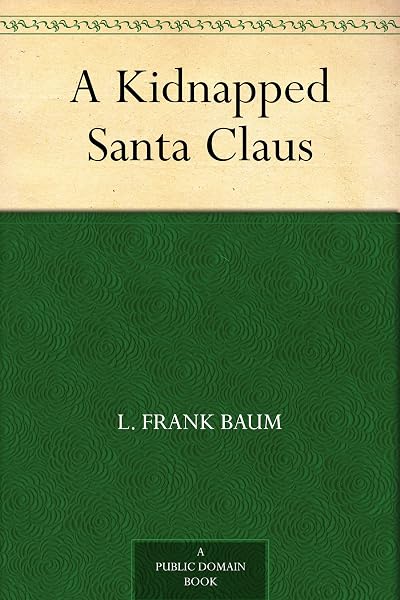
A Kidnapped Santa Claus by L. Frank Baum
A Kidnapped Santa Claus is gloriously odd. Santa is kidnapped by supernatural beings associated with selfishness, envy, hatred, malice, and repentance, which is exactly the kind of premise that reminds me older children’s stories were often much stranger than modern Christmas marketing would have us believe.
It is short, playful, and surprisingly moral without becoming dull. If your Christmas reading needs a little more weirdness, Baum is happy to provide it.
You can get a copy of A Kidnapped Santa Claus by L. Frank Baum on Amazon.
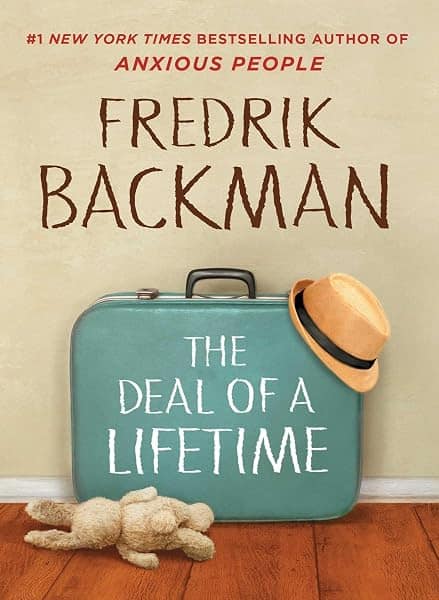
The Deal of a Lifetime by Fredrik Backman
The Deal of a Lifetime is the modern short Christmas story I would place beside those older classics. A successful man confronts mortality, regret, his relationship with his son, and the possibility of sacrifice during Christmas week. It is compact, emotionally direct, and very Backman in the way it moves between sentiment, humor, and uncomfortable questions about what makes a life worthwhile.
I like this when I want something contemporary that still feels connected to the moral tradition of older Christmas stories. It is a small book with a much larger emotional footprint.
You can get a copy of The Deal of a Lifetime by Fredrik Backman on Amazon.
Christmas Ghost Stories for Readers Who Like Their Holidays Haunted
People occasionally act surprised when Christmas ghost stories come up, but the combination makes perfect sense to me. Winter darkness, firelight, long nights, old houses, family gatherings, stories about the past returning: Christmas and ghosts have been sharing a room for a very long time.
I have a separate Victorian Christmas-stories guide for readers who want to spend much more time in this tradition, but these three are an excellent beginning.
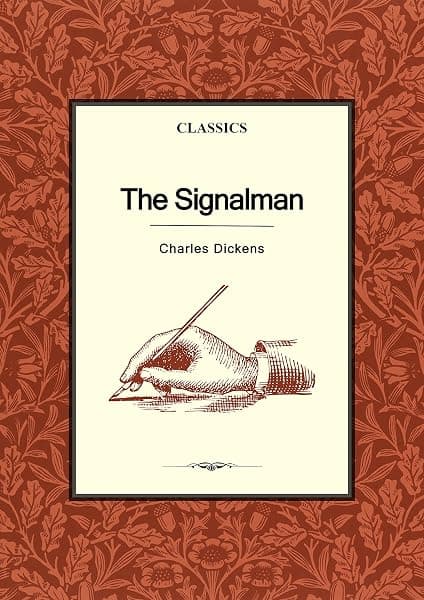
The Signalman by Charles Dickens
The Signalman is one of my favorite examples of Dickens being genuinely eerie rather than merely festive. A railway signalman is haunted by a mysterious apparition that seems connected to impending disaster, creating a story filled with dread, repetition, and the terrible feeling that knowing something is coming does not necessarily give you the power to stop it.
I like reading this late at night when Christmas has become quiet. The mood is completely different from A Christmas Carol, and that contrast reminds me how much range Dickens had within supernatural fiction.
You can get a copy of The Signalman by Charles Dickens on Amazon.

The Canterville Ghost by Oscar Wilde
The Canterville Ghost is the one I choose when I want my haunting to be funny. An American family moves into a haunted English house and responds to the resident ghost with considerably less fear than he believes his dignity deserves.
Wilde gets plenty of comedy from the collision between Old World Gothic drama and practical American reactions, but there is also tenderness underneath the joke. It is a wonderful bridge for readers who like the atmosphere of ghost stories but do not actually want to spend Christmas frightened of the hallway.
You can get a copy of The Canterville Ghost by Oscar Wilde on Amazon.
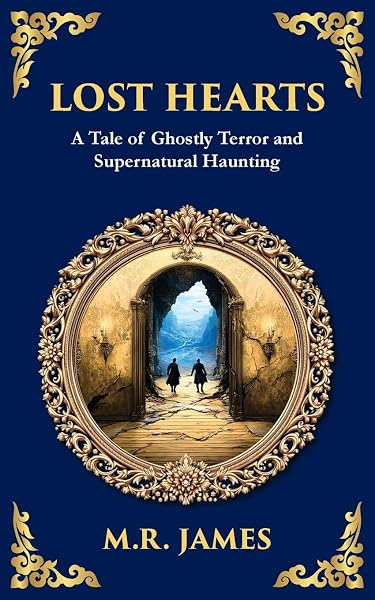
Lost Hearts by M. R. James
M. R. James is where I go when I want the cozy Victorian Christmas ghost-story idea to become considerably less cozy. Lost Hearts is genuinely unsettling, involving a young orphan, an older relative with disturbing interests, and the kind of supernatural consequences James handles with unnerving restraint.
This is not my family read-aloud recommendation. This is my “the house is quiet and I have apparently decided I would like to make it feel less safe” recommendation. Sometimes December needs one of those too.
You can get a copy of Lost Hearts by M. R. James on Amazon.
Modern Christmas Stories That Feel Worth Returning To
This was the section I most wanted to strengthen, because contemporary Christmas fiction is doing much more than simply producing seasonal romances with interchangeable covers.
The modern Christmas stories I remember tend to use the holiday to examine family, grief, friendship, belonging, loneliness, community, identity, and the strange pressure December places on people to be joyful whether or not life is cooperating. Those are the ones I think have the best chance of becoming future rereads.

The Christmas Bookshop by Jenny Colgan
The Christmas Bookshop is almost aggressively suited to my interests. Carmen loses her job and ends up in Edinburgh helping rescue a struggling bookshop during Christmas while also navigating family tension, her own uncertainty, and the possibility of romance.
Yes, the setting is extremely cozy. But I like that Carmen herself is not a perfectly cozy protagonist. She is prickly, uncertain, and still trying to understand where she fits, which gives the book enough emotional friction to keep all that Edinburgh Christmas atmosphere from becoming decorative wallpaper.
If you want one modern Christmas book that gives you bookshops, family, city lights, and warmth without becoming completely weightless, this is my easiest recommendation.
You can get a copy of The Christmas Bookshop by Jenny Colgan on Amazon.

Winter Street by Elin Hilderbrand
Winter Street takes Christmas to Nantucket, where the Quinn family gathers around an inn while various marriages, relationships, secrets, and personal crises begin unraveling. This is the Christmas book for readers who find family dysfunction more comforting than a perfectly coordinated holiday. I mean that affectionately.
Hilderbrand understands that being together at Christmas does not magically resolve all the complicated things people carried into the room with them. Sometimes it simply puts everybody’s problems within conversational distance. I like this when I want a holiday story with an ensemble cast and enough mess to make the warmth feel earned.
You can get a copy of Winter Street by Elin Hilderbrand on Amazon.
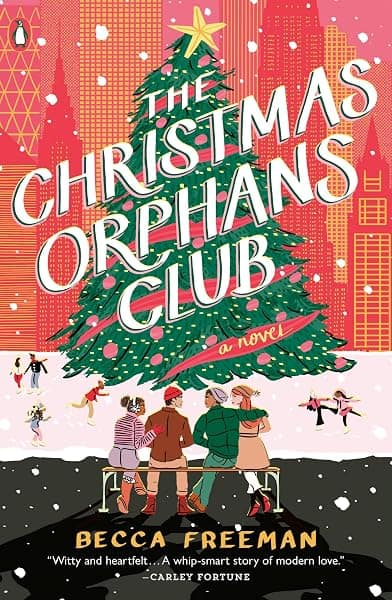
The Christmas Orphans Club by Becca Freeman
The Christmas Orphans Club centers on a group of friends who have built their own Christmas tradition together because they do not have the conventional family holiday available to them. That premise immediately appeals to me because found family is one of the most natural modern extensions of Christmas storytelling. Not every meaningful holiday table is the one someone was born into.
The book looks at friendship, adulthood, changing relationships, and what happens when a tradition that seemed permanent has to evolve. That last part is what makes it especially interesting to me. We talk a lot about starting Christmas traditions and much less about what happens when the people involved grow into different lives.
You can get a copy of The Christmas Orphans Club by Becca Freeman on Amazon.
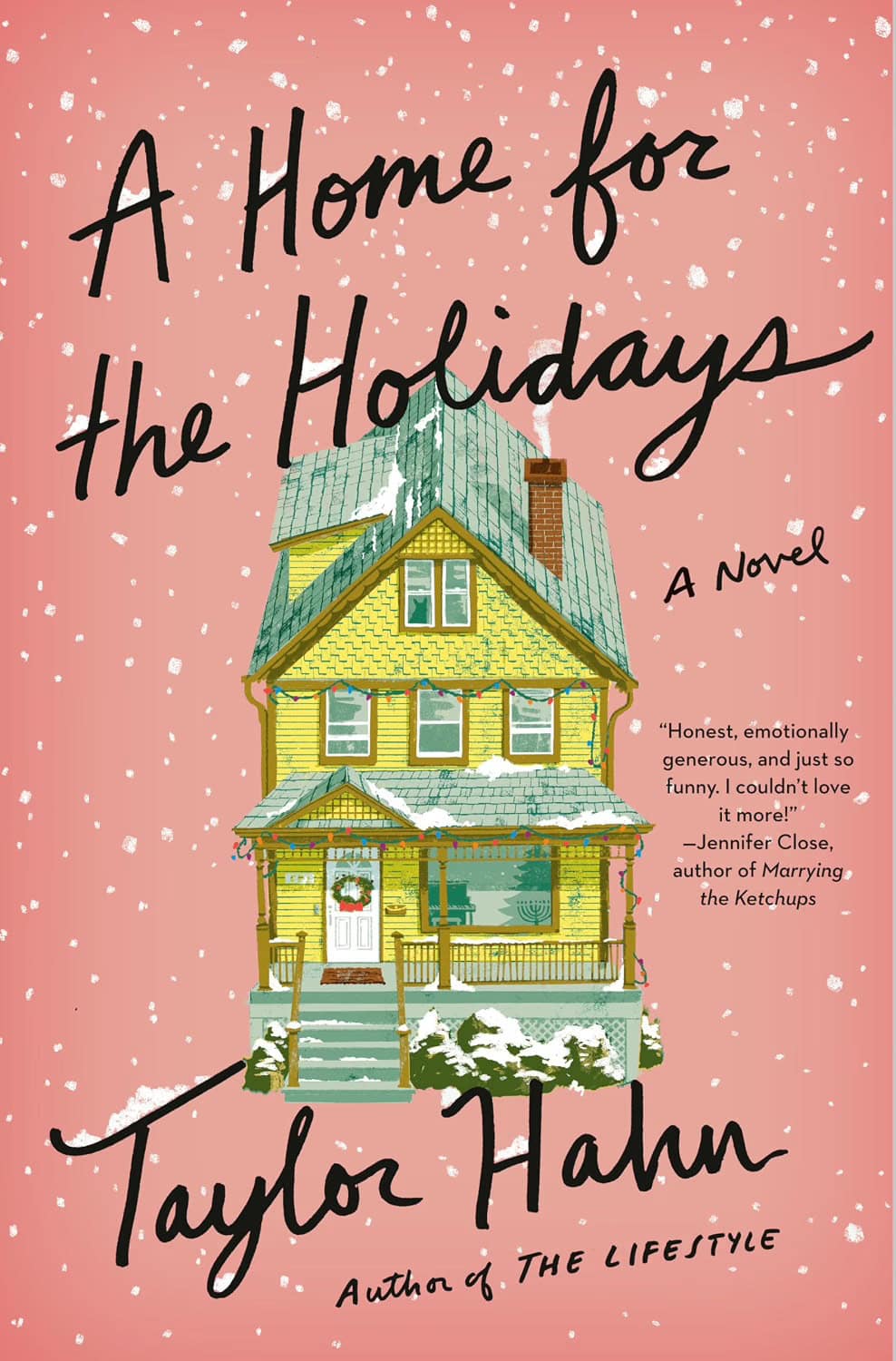
A Home for the Holidays by Taylor Hahn
A Home for the Holidays is a warm contemporary story about grief, unexpected connections, and finding a new understanding of family around Christmas. I like books like this because they make room for the reality that the holidays can intensify loss at the exact moment the culture around us is insisting everyone should be happy.
The story still offers warmth and connection, but it does not require the protagonist to begin December emotionally ready for Christmas magic. Sometimes the Christmas story is about finding a way back into life when the season feels particularly difficult. That is a very different kind of comfort from a straightforward festive romance, and I think the modern Christmas shelf is stronger for having it.
You can get a copy of A Home for the Holidays by Taylor Hahn on Amazon.
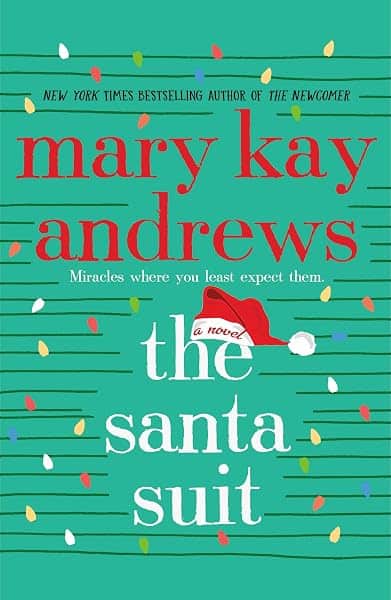
The Santa Suit by Mary Kay Andrews
The Santa Suit starts with a wonderfully bookish-homebody premise: a woman buys an old farmhouse and discovers a vintage Santa suit containing a child’s old Christmas wish. That discovery sends her into a small mystery about the people who lived there before her and the community around her now.
I like the combination of fresh start, house history, local connections, and Christmas mystery without the murder. This is exactly the kind of contemporary holiday book I would choose when I want something gentle but still need a plot beyond two people gradually realizing they are attracted to each other.
You can get a copy of The Santa Suit by Mary Kay Andrews on Amazon.

Kiss Me at Christmas by Jenny Bayliss
Kiss Me at Christmas gives us a middle-aged heroine, an old theater, community, holiday chaos, and the kind of ensemble Christmas setting Jenny Bayliss handles particularly well. One thing I appreciate about Bayliss’s Christmas fiction is that romance can be part of the pleasure without becoming the only meaningful relationship in the room.
Community matters. Friendships matter. Work matters. The heroine’s changing understanding of her own life matters. That makes the seasonal atmosphere feel fuller to me, and I would recommend this to readers who want modern Christmas fiction with romance but are no longer interested in stories where falling in love appears to solve every available problem.
You can get a copy of Kiss Me at Christmas by Jenny Bayliss on Amazon.
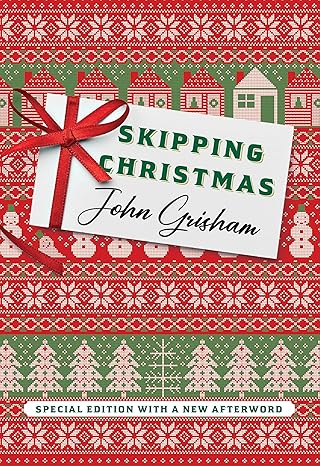
Skipping Christmas by John Grisham
Skipping Christmas begins with a wonderfully tempting idea: what if you simply refused to participate? Luther and Nora Krank decide to skip the entire Christmas frenzy and take a cruise instead, only to discover that opting out of a community tradition is considerably harder than making the decision in your own living room.
I enjoy this book because beneath the comedy is a recognizable question about how much Christmas belongs to us individually and how much is created through expectations shared by families, neighborhoods, and communities. It is sharper and more satirical than most cozy Christmas novels, which makes it a useful palate cleanser.
You can get a copy of Skipping Christmas by John Grisham on Amazon.
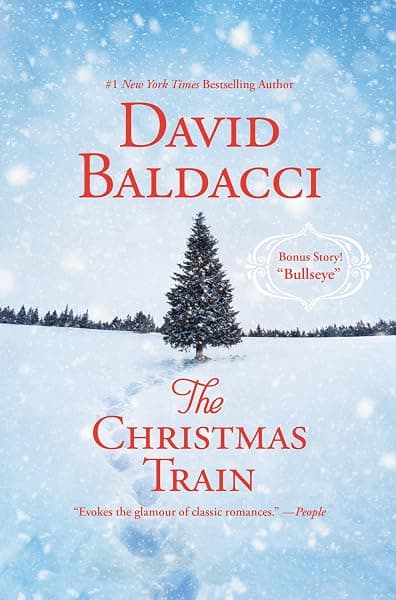
The Christmas Train by David Baldacci
The Christmas Train follows a journalist traveling across the country by rail during the holidays and finding himself surrounded by an ensemble of fellow passengers, old feelings, new connections, and the kind of circumstances only fictional train travel seems capable of producing.
I am extremely susceptible to Christmas trains. They combine travel, strangers becoming temporary community, enclosed spaces, nostalgia, and the possibility that everyone will arrive somewhere slightly different from where they expected. This one feels almost like an old-fashioned holiday movie in novel form, which is part of its charm.
You can get a copy of The Christmas Train by David Baldacci on Amazon.
Christmas Stories for Kids That Adults Still Love
Children’s Christmas books are their own enormous world, and I am building separate guides for Christmas picture books and bedtime reading because those readers deserve more than a couple of titles buried inside a general list. But if I had to choose two stories that belong in the broad Christmas canon, these would be difficult to leave out.

How the Grinch Stole Christmas! by Dr. Seuss
The Grinch’s transformation works because the book makes its point without making the story feel like medicine. Christmas remains after the presents are gone. The Whos feast anyway. They sing anyway. The Grinch has to confront the possibility that the holiday he resents is not dependent on the things he believed defined it.
Children get the rhyme and ridiculousness. Adults get the uncomfortable recognition that perhaps we too have occasionally confused preparing Christmas with experiencing it.
You can get a copy of How the Grinch Stole Christmas! by Dr. Seuss on Amazon or Bookshop.

The Polar Express by Chris Van Allsburg
The Polar Express works on atmosphere as much as story. The train at night, snow outside, the journey north, the bell, and the final meditation on belief create a Christmas Eve feeling that is difficult to duplicate.
I especially like it as a read-aloud because the illustrations slow everyone down. This is not a book I want rushed through. It wants dim lights and a little ceremony.
You can get a copy of The Polar Express by Chris Van Allsburg on Amazon or Bookshop.
Christmas Stories for Teens and Young Adult Readers
The teenage Christmas shelf can become strangely thin between picture books and adult romance, so I like keeping a few crossover choices in mind.

Little Women by Louisa May Alcott
Little Women is not strictly a Christmas novel, and I would never pretend otherwise just to squeeze it onto a seasonal list. But those Christmas scenes matter. The March sisters giving away their breakfast, the family gathered together, and the contrast between material limitation and emotional abundance have become part of the way many readers remember the book.
For me, Little Women belongs to Christmas reading because the holiday chapters contain so much of the novel’s larger moral world: family, generosity, work, sacrifice, and love expressed through small acts.
You can get a copy of Little Women by Louisa May Alcott on Amazon.
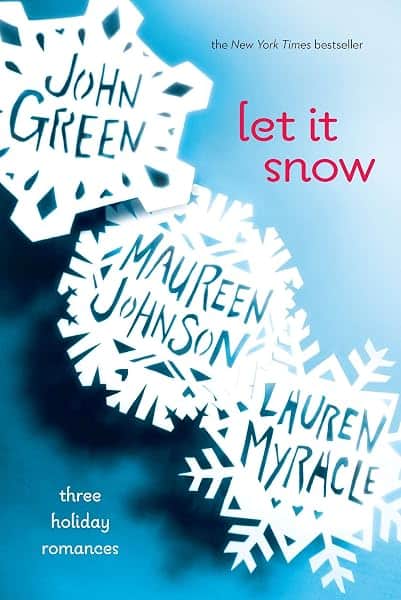
Let It Snow by John Green, Maureen Johnson, and Lauren Myracle
Let It Snow gives younger readers three interconnected stories unfolding during a major Christmas Eve snowstorm. The connected format is part of the fun, because characters and events overlap, making the book feel like several windows into the same chaotic winter night.
This is a good choice for teen readers who want romance, humor, and a contemporary setting rather than another classic somebody has assigned them because it is December.
You can get a copy of Let It Snow by John Green, Maureen Johnson, and Lauren Myracle on Amazon.
Christmas Mystery Stories for Readers Who Need a Body With Their Holly
I apparently cannot complete a Christmas reading season without eventually asking who committed the murder. If that is also your problem, I have a full guide to Christmas murder mysteries, because this category is much too large to contain here. But two titles make an excellent entry point.

Hercule Poirot’s Christmas by Agatha Christie
Hercule Poirot’s Christmas gives us a wealthy patriarch, a deeply unhappy family gathering, a locked-room-style murder, and Poirot arriving to sort through motives everyone would prefer remain buried. It is almost absurdly well suited to Christmas.
Put a resentful extended family in one house, add money, inheritance, old grudges, and a reason nobody can politely leave, and mystery writers barely need to do any additional work. This is my classic Christmas mystery choice every time.

The Christmas Guest by Peter Swanson
The Christmas Guest is where I would send someone who wants a more contemporary, psychologically uneasy holiday mystery. An American student spends Christmas with a British friend’s family in what appears to be a wonderfully picturesque setting, but the atmosphere gradually darkens around murder, memory, and the question of how well she actually understands the people around her.
It is shorter, sharper, and much less comforting than the scenery initially promises. That contrast is precisely why it works.
Which Christmas Stories Are Best to Read Aloud?
Some Christmas stories are wonderful to read privately and terrible choices for a room full of people waiting politely for you to finish chapter nine. For reading aloud, I prefer rhythm, manageable length, and a story where listeners can enjoy the language without needing to track a complicated plot.
The Night Before Christmas is the obvious family choice. The Gift of the Magi works beautifully with older children and adults. Selections from Letters From Father Christmas can be charming across several nights, while How the Grinch Stole Christmas! and The Polar Express are still wonderful picture-book experiences. If your family enjoys longer reading traditions, A Christmas Carol can also work especially well when divided across several evenings.
I have a separate Christmas read-aloud guide because choosing a book for mixed ages is different from simply choosing your favorite Christmas book. The best read-aloud is the story people will still be happy you started by the time you reach the ending.
Looking for a Specific Kind of Christmas Story?
This page is where I would begin if you are still deciding what kind of Christmas reading mood you are in. Once you know, the narrower guides become much more useful.
If you want older literature, my classic Christmas stories guide goes deeper into the books I actually return to year after year and why I think they hold up. If you specifically want something you can finish in one sitting, my short Christmas stories for adults guide focuses on shorter fiction and includes reading-time guidance so you can choose according to the evening you actually have.
For families and mixed-age groups, my Christmas stories to read aloud guide is built around books that work especially well when shared rather than simply read silently. If your preferred Christmas tradition involves crime, the Christmas murder mystery guide has the deeper list, from Poirot and classic whodunits to contemporary cozies. And for the Victorian readers who heard “Christmas ghost story” and immediately wanted more, I have a separate guide for Victorian Christmas stories and their darker seasonal atmosphere.
That is how I think this Christmas-story library works best. Start broad here, then follow the mood.
How I Choose a Christmas Story Worth Rereading
I have read enough seasonal books to know that Christmas atmosphere alone will usually get me through a book once. Rereading requires more.
I want a character or idea I can see differently with time. I want language or atmosphere strong enough that I remember how the book felt. I want Christmas to matter to the story rather than simply provide decorations. And I want some emotional truth underneath the holiday machinery.
That does not mean everything needs to be serious. A Kidnapped Santa Claus is strange. Skipping Christmas is funny. The Canterville Ghost is playful. The Grinch is green and furious. But even the lighter stories understand something recognizable about Christmas: expectation, generosity, belonging, wonder, family, memory, loneliness, or the possibility of changing how we show up for other people.
That is usually the difference between a Christmas book I enjoyed and one I want to meet again next December.
How to Start a Christmas Story Tradition
You do not need twenty-four books wrapped in matching paper to create a Christmas reading tradition. You need repetition.
Choose one short story for Christmas Eve. Read a chapter of A Christmas Carol across several December nights. Keep one story collection beside the tree and read whatever sounds good. Let everyone choose one book for a family reading night, swap books with friends, or create a jar of titles if you enjoy the surprise. Or do what I often do and simply leave the Christmas books somewhere visible so I naturally begin reaching for them as the month changes.
The tradition does not have to look impressive. It has to be easy enough that you still want to do it next year.
Frequently Asked Questions About Christmas Stories
What is the most famous Christmas story?
Charles Dickens’s A Christmas Carol is arguably the most influential and recognizable literary Christmas story. Its tale of Ebenezer Scrooge’s transformation has shaped countless later Christmas stories, films, television specials, and redemption plots.
What are the best classic Christmas stories?
My essential classic list would begin with A Christmas Carol, The Gift of the Magi, The Fir-Tree, The Nutcracker and the Mouse King, A Christmas Memory, and Letters From Father Christmas. They offer very different moods, from redemption and generosity to fairy tale, memory, and family imagination.
What are good short Christmas stories for adults?
The Gift of the Magi, The Signalman, A Christmas Memory, The Deal of a Lifetime, and Christmas at Thompson Hall are good starting points when you want something shorter than a full novel. I also keep a separate guide devoted specifically to short Christmas stories for adults.
What are some modern Christmas stories worth reading?
For modern Christmas fiction, I recommend The Christmas Bookshop, Winter Street, The Christmas Orphans Club, A Home for the Holidays, The Santa Suit, Kiss Me at Christmas, Skipping Christmas, and The Christmas Train. Together they cover everything from bookish coziness and romance to grief, family dysfunction, found family, and holiday satire.
What Christmas story should I read with my family?
For younger children, The Polar Express, How the Grinch Stole Christmas!, and The Night Before Christmas are easy starting points. With older children or mixed ages, Letters From Father Christmas, The Gift of the Magi, or a portion of A Christmas Carol can work beautifully.
Are Christmas ghost stories traditional?
Yes. Christmas ghost stories have a long literary tradition, particularly in Britain and during the Victorian period. Dickens is the obvious example, but writers including M. R. James made supernatural storytelling an important part of winter and Christmas reading.
What is a good Christmas story if I don’t like romance?
Try A Christmas Carol, A Christmas Memory, The Signalman, How the Grinch Stole Christmas!, The Deal of a Lifetime, or a Christmas mystery such as Hercule Poirot’s Christmas. There is much more to Christmas fiction than romance.
Why are so many Christmas stories about redemption?
Christmas naturally lends itself to stories about reflection and renewal. The end of the year encourages characters to examine the past, family gatherings force relationships into focus, and traditions centered on generosity and hope make transformation feel particularly at home in the season. Dickens’s enormous influence has also helped make the Christmas redemption story a recognizable literary pattern.
Final Thoughts
I think the reason Christmas stories stay with me is that the best ones understand the season is emotionally complicated. Christmas can be joyful and lonely, generous and commercial, comforting and exhausting, deeply traditional and constantly changing. It can make us feel connected to the people sitting beside us and to people who are no longer there. Good Christmas stories have room for all of that.
That is why my own December reading will never be entirely cozy or entirely classic or entirely modern. I want Scrooge waking up and discovering he still has time. I want Jim and Della giving away the things they treasure. I want a haunted railway signal box, Tolkien making up North Pole disasters for his children, a struggling Edinburgh bookshop, and messy families gathering anyway. I want a short story that makes me quiet for ten minutes and a strange one that reminds me Christmas literature has always been a little weirder than we pretend.
Most of all, I want stories that make the season feel larger rather than simply more decorated. That is what I hope this guide becomes: the place you start when you know you want a Christmas story but have not yet decided what kind. Then you can follow the mood from here.
Tell me in the comments which Christmas story you return to every year, because I am always fascinated by the books that become personal traditions. I especially want to know whether yours is a classic everyone knows, a modern book you discovered recently, or some wonderfully obscure family favorite the rest of us need to meet.


