5 Gothic Books to Read for a Classic and Cozy Haunted Night
Discover five cozy gothic books for October, from Frankenstein and Carmilla to Rebecca and Hill House, with atmospheric classics for rainy, candlelit nights.

5 Gothic Reads for the Haunted-Summer Mood
Hi Bookish Besties, There is a very specific kind of spooky book I want to read in October, and it has almost nothing to do with how many people die or how terrifying the monster is supposed to be. I want atmosphere. I want a house that feels like it knows something. I want rain against the windows, secrets nobody wants to discuss, and characters who probably should have left several chapters ago but insist on staying. Most importantly, I want a story that lingers after I’ve closed the book. And if you read my post about The Haunted Summer That Invented Two Monsters, you already know why I’ve been thinking about gothic fiction so much lately. I cannot get over the fact that the same miserable summer in 1816 helped inspire Frankenstein and the modern literary vampire. A volcanic eruption, a group of scandalous writers, a rainy Swiss villa, and a ghost-story challenge somehow helped shape the books, movies, and monsters we still love today. Naturally, that sent me straight back to my classic gothic books list. But I’m not looking for the bloodiest or most disturbing books I can find. I’m interested in what I think of as cozy gothic books: stories with beautiful, unsettling atmosphere, complicated emotions, and just enough darkness to make reading under a blanket feel like the correct life decision. These five gothic classic books are where I’d start. They aren’t all directly connected to that summer in Switzerland, but they carry the same fascination with loneliness, desire, secrets, isolation, and the things we cannot quite explain.
5 Cozy Gothic Books to Read This October
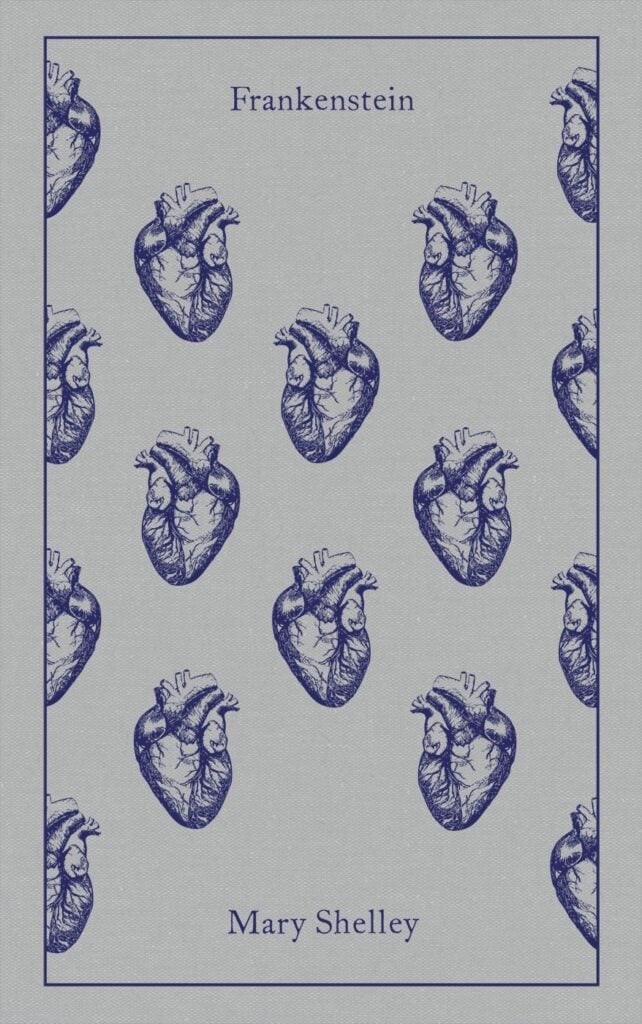
Frankenstein by Mary Shelley (1818)
I have to start with Frankenstein. After all, this is the book that sent me down the haunted-summer rabbit hole in the first place. Mary Shelley began imagining the story when she was just eighteen, after a ghost-story challenge near Lake Geneva, and somehow gave us a novel we’re still arguing about more than two centuries later. Victor Frankenstein discovers how to create life, only to recoil from the being he brings into the world, setting off a devastating story about ambition, responsibility, rejection, and loneliness. And this is why Frankenstein will always be my favorite monster story on this list: it breaks my heart. Everyone knows the Halloween version of the Creature, but Mary’s original is intelligent, sensitive, desperate for connection, and painfully aware that nobody wants him. If you’re reading it for the first time, I’d suggest finding an edition of the original 1818 text and letting yourself experience the sadness as much as the horror. It’s a completely different reading experience when you stop expecting a lumbering monster and start paying attention to the person everyone refuses to love.
You can get a copy of Frankenstein by Mary Shelley on Amazon.
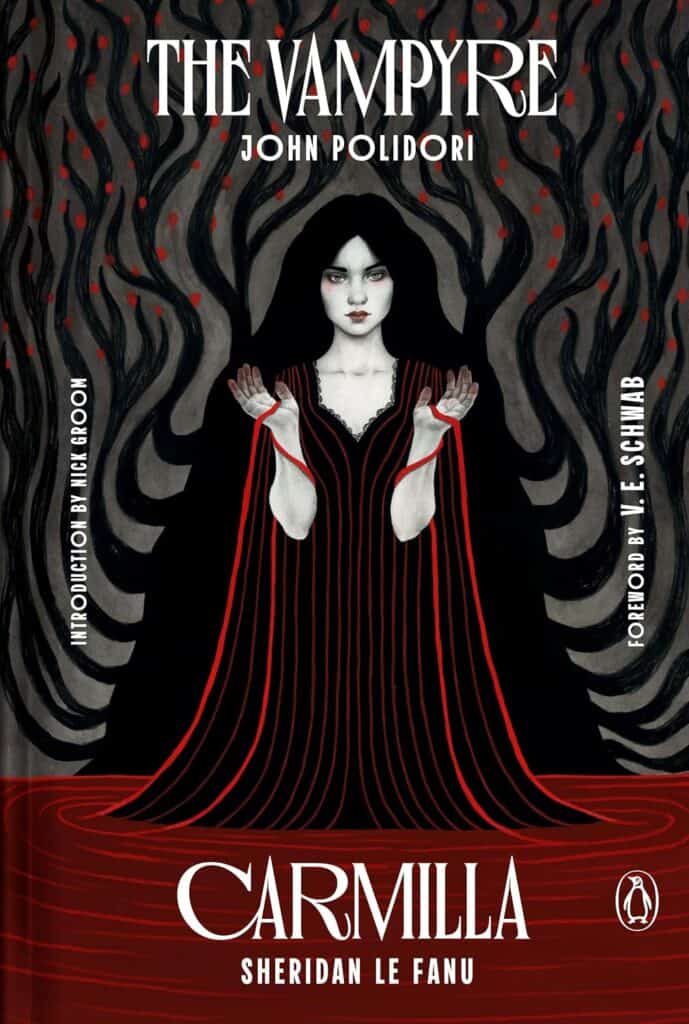
The Vampyre by John Polidori (1819)
If you’re reading Frankenstein, I think you should follow it immediately with The Vampyre, because these are the two books that make the summer of 1816 so fascinating. John Polidori was Lord Byron’s physician, and his story grew out of the same literary gathering that inspired Mary Shelley. Published in 1819, The Vampyre introduces Lord Ruthven, a mysterious aristocrat who moves through society while concealing his predatory nature. What makes this story so interesting to me isn’t simply that it’s an early vampire tale. It’s that Polidori helped change what a vampire could look like. Instead of a grotesque corpse rising from the grave, we get a charming, powerful man who can be welcomed into polite company. And knowing that Ruthven was associated with Byron himself makes the entire thing even better. This is short enough to read in one sitting, which makes it perfect for an October evening when you want something genuinely important to gothic history without committing to another 400-page novel.
You can get a copy of The Vampyre by John Polidori on Amazon.
Carmilla by Sheridan Le Fanu (1872)
If you love atmospheric vampire stories, please don’t skip Carmilla just because Dracula became the more famous name. Published twenty-five years before Bram Stoker’s novel, Sheridan Le Fanu’s novella follows Laura, a young woman living in an isolated castle, whose life changes when the mysterious Carmilla comes to stay. Their relationship becomes increasingly intimate and unsettling, and the entire story has that slow, dreamlike quality I love in gothic fiction. What interests me most about Carmilla is how it brings the vampire into such a personal space. The threat isn’t simply lurking outside the house; it’s someone Laura knows, trusts, and feels drawn toward. There is desire here, secrecy, vulnerability, and plenty of room for interpretation. It’s also a fascinating book to read before Dracula, because you begin to see how much vampire fiction was already exploring before Stoker’s Count arrived. This is the one I’d choose for a rainy evening when I want something elegant, eerie, and just a little uncomfortable.
You can get a copy of Carmilla by Sheridan Le Fanu on Amazon.

Rebecca by Daphne du Maurier (1938)
Now we’re moving away from supernatural monsters, but absolutely not away from gothic dread. Daphne du Maurier’s Rebecca follows a young woman who marries the wealthy widower Maxim de Winter and moves into his imposing estate, Manderley. The problem is that Maxim’s first wife, Rebecca, may be dead, but her presence seems to occupy every room, every conversation, and practically every thought in the house. And this is exactly the kind of gothic story I love, because du Maurier doesn’t need to give us an actual ghost to make Manderley feel haunted. The house itself is full of memories, secrets, jealousy, and the suffocating feeling that the new Mrs. de Winter will never quite belong there. I also love how the novel plays with insecurity and the ways we can become obsessed with people we never even knew. If you want a gothic classic with psychological tension rather than supernatural creatures, this is where I’d send you. Just don’t blame me when you start looking suspiciously at every grand old house.
You can get a copy of Rebecca by Daphne du Maurier on Amazon.
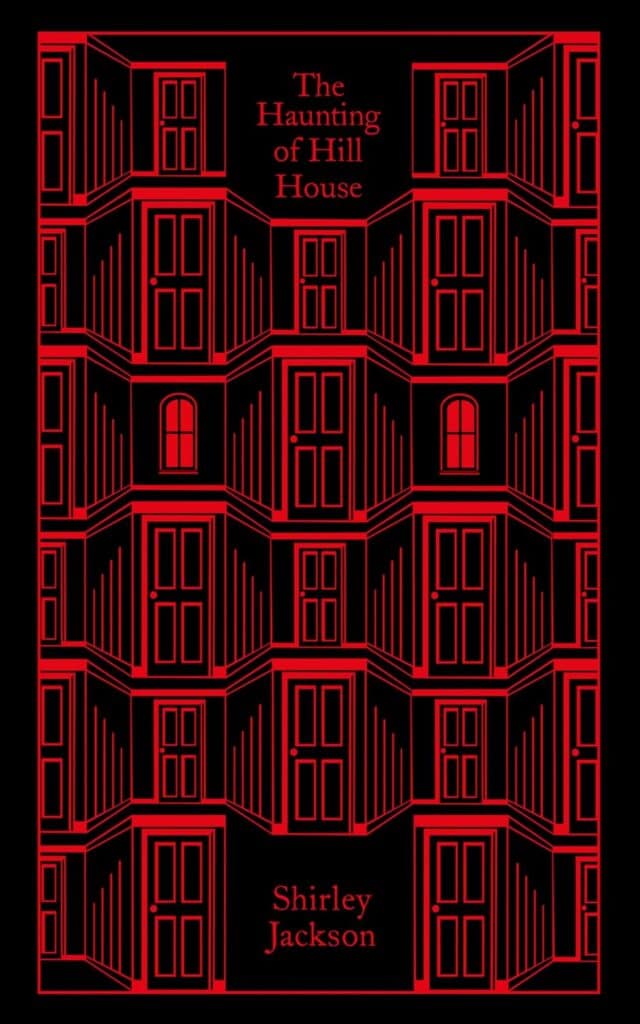
The Haunting of Hill House by Shirley Jackson (1959)
If Rebecca makes you question whether a house can hold the weight of its past, The Haunting of Hill House takes that feeling and turns it into something much more unsettling. Shirley Jackson’s novel follows four people who gather at Hill House to investigate its reputation for supernatural activity, including Eleanor, a lonely woman who arrives carrying an enormous amount of emotional baggage. And as strange things begin happening, the story becomes increasingly difficult to separate from Eleanor’s own need for belonging. That’s what I find so compelling about Jackson’s writing. The house is frightening, certainly, but the real tension comes from the relationship between the house and the people inside it. How much is supernatural? How much is psychological? Does Hill House haunt Eleanor, or does it recognize something in her that makes her particularly vulnerable? This is the darkest recommendation on my list, but it’s perfect if you want beautifully written horror that gets under your skin without relying on gore.
You can get a copy of The Haunting of Hill House by Shirley Jackson on Amazon.
Why These Five Gothic Classics Belong Together
I think the easiest way to misunderstand gothic fiction is to assume the genre is primarily about old houses, ghosts, castles, vampires, and dramatic weather. Those things certainly help. I will never complain about a suspiciously foggy estate or a character walking down a dark hallway carrying a candle, even though we all know they should simply turn around. But the reason I keep returning to these books is that the gothic uses those familiar images to explore something much more human. In Frankenstein, the monster wants to be loved. In The Vampyre, the monster hides behind charm and social privilege. Carmilla makes desire feel dangerous, while Rebecca shows how thoroughly someone can haunt a life without being physically present. And in The Haunting of Hill House, the line between a supernatural haunting and profound loneliness becomes almost impossible to separate. That, to me, is the real thread connecting these stories. The best gothic fiction makes an ordinary human fear feel enormous. Loneliness becomes a monster. Jealousy becomes a haunting. Desire becomes a vampire. A house becomes the physical shape of everything a person is afraid to confront. And suddenly we’re not just reading about strange things happening to unfortunate people in old buildings. We’re reading about ourselves, only with better scenery and considerably worse weather.
How I’d Turn These Into a Cozy Gothic Reading Month
If I were putting together a little October reading plan, I wouldn’t approach these books like homework or worry about finishing all five before Halloween. I’d start with Frankenstein, because I think Mary Shelley’s novel gives you such a wonderful foundation for understanding what gothic literature can do beyond simply trying to frighten you. Then I’d pair The Vampyre with Carmilla, preferably over a couple of rainy evenings. They’re both relatively short, and reading them together makes it easier to see how the literary vampire changed before Dracula became the name everybody knew. I’d save Rebecca for a weekend when I could spend a proper afternoon with it, because Manderley is the kind of place I want to disappear into for a while. And I’d finish with The Haunting of Hill House, ideally when I have absolutely no intention of going anywhere after dark. You do not need an elaborate gothic reading setup, by the way. A library book, a blanket, something warm to drink, and a lamp are more than enough. I love romanticizing the reading experience, but I refuse to believe we need to spend $100 on seasonal accessories just to appreciate a good ghost story. The atmosphere is already in the books.

Final Thoughts
If you’ve been following along with my haunted-summer literary deep dives, I hope this gives you somewhere to go next. I love talking about the history of these books, but I also want us to actually read them. There’s something so satisfying about understanding where an idea came from and then opening the story that helped bring it into the world. So this October, pick up something gothic, let the rain do its thing, and spend an evening with a classic that still has something to say. And tell me in the comments: which of these five gothic reads would you choose for a rainy October night?