
Jane Austen Books in Order (2026 Guide): Start Here
Discover all of Jane Austen’s books in order of publication—from Sense and Sensibility to Persuasion—plus her early writings and unfinished works, with spoiler-light notes and reading tips.

Jane Austen, From First Spark to Final Letter: How to Read Her in Order (and Where to Start)
Hi Bookish Besties! If you want Jane Austen books in order-fast-here’s the list, then I’ll help you choose the perfect starting point and share spoiler-light insights from years of re-reads.
Quick Publication Order:
- Sense and Sensibility (1811)
- Pride and Prejudice (1813)
- Mansfield Park (1814)
- Emma (1815)
- Northanger Abbey (1817, posthumous; written earlier)
- Persuasion (1817, posthumous)
Bonus worlds: Juvenilia (early writings), Lady Susan (a delicious short novel in letters), The Watsons & Sanditon (unfinished, fascinating)

Where to start (reader-fit):
- Want sparkle & banter? Pride and Prejudice
- Craving quiet ache & second chances? Persuasion
- In the mood for matchmaking mischief? Emma
- Prefer sister dynamics & sense vs. sensibility? Sense and Sensibility
- Love moral tension & conscience under pressure? Mansfield Park
- Want a playful Gothic wink? Northanger Abbey
The Completed Novels
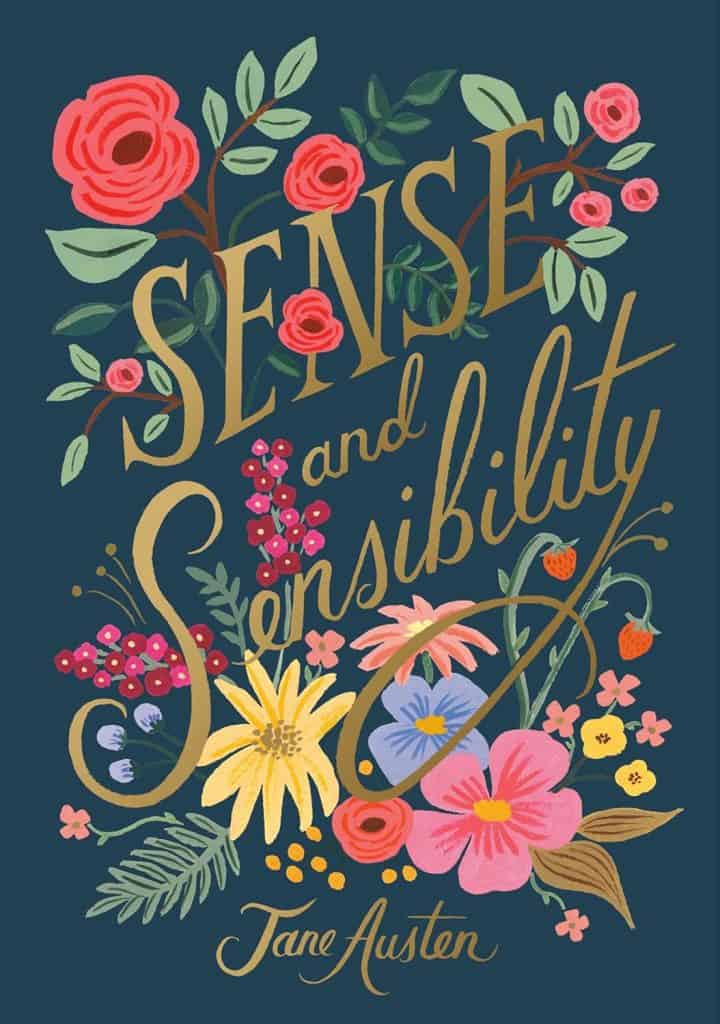
Sense and Sensibility (1811)
Elinor (steady, thoughtful) and Marianne (ardent, impulsive) navigate love, money, and manners as their ideals collide with reality; both learn to hold feeling and judgment in balance. I chose it because the sister dynamic feels timeless and human. For readers who like domestic stakes, moral growth, and tender family bonds, it left me warm-like candlelight after a storm.

Pride and Prejudice (1813)
Elizabeth Bennet’s wit meets Mr. Darcy’s reserve; pride, prejudice, and rumor are unmasked as two smart people learn to see-and be seen-truly. I selected it for its effervescence and perfect banter. For lovers of enemies-to-equals, sparkling dialogue, and social satire, it made me grin, swoon, and underline half the book.

Mansfield Park (1814)
Quiet Fanny Price, transplanted into a wealthier household, holds to conscience amid performance, pressure, and temptation; her strength is interior, not loud. I included it because it rewards slow reading and ethical nuance. For readers who enjoy moral complexity and slow-burn character arcs, it lingered with me like a thoughtful after-conversation.
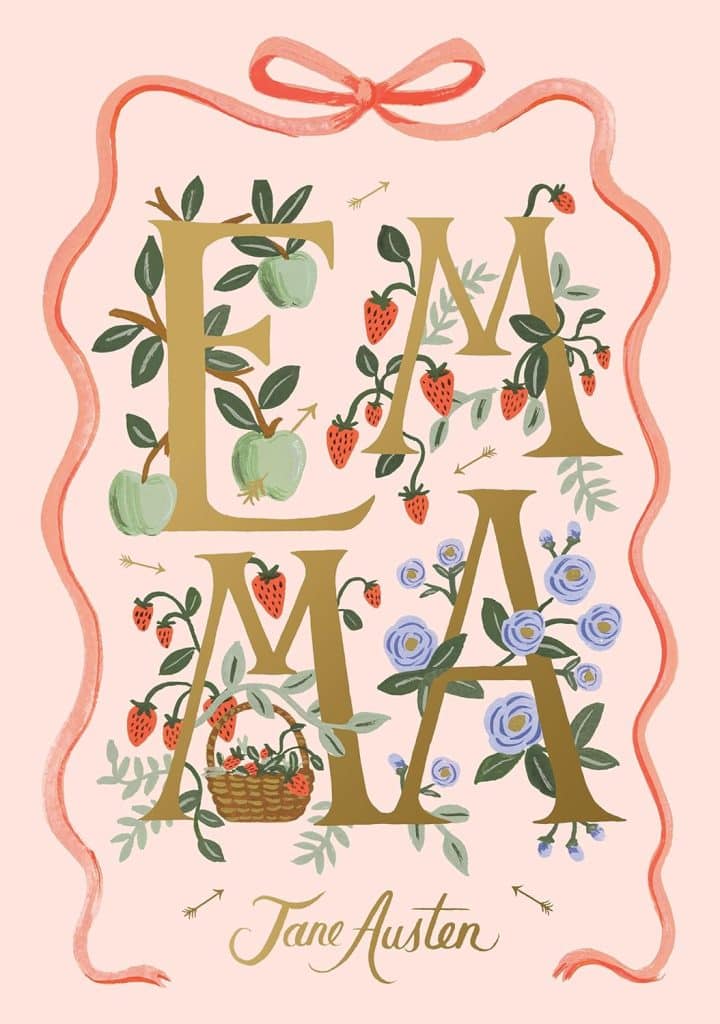
Emma (1815)
Clever Emma Woodhouse “cannot help arranging” other lives until she meets the limits of her insight-and herself; it’s social comedy that lands in genuine self-knowledge. I picked it for the humor and the tender reveal of the heart. For fans of misread signals, meddling with love, and perfectly earned endings, I felt gleeful then gently moved.
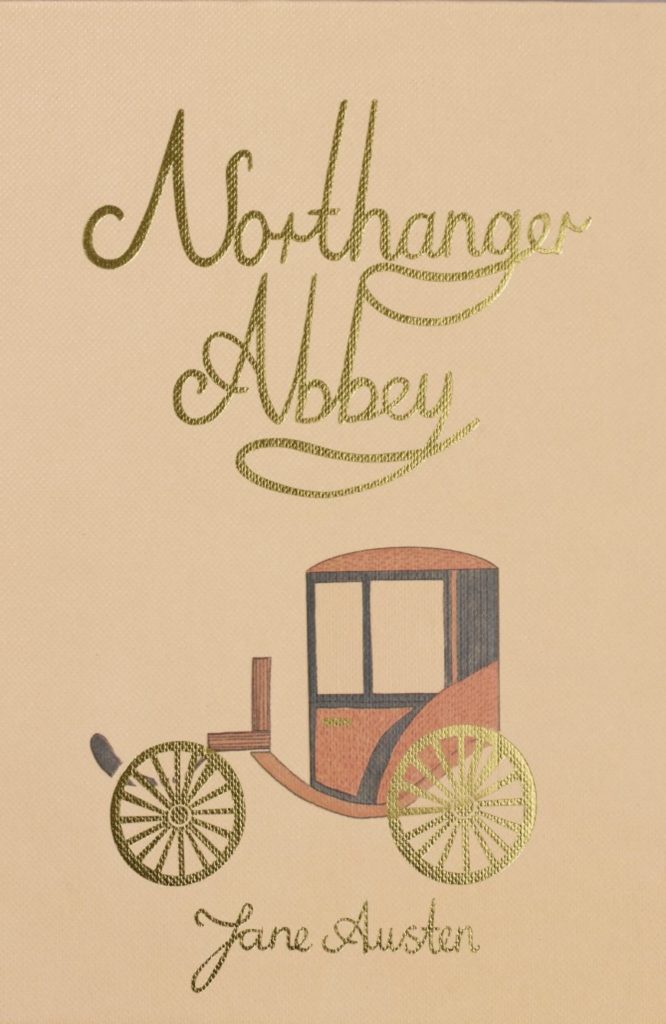
Northanger Abbey (1817, posthumous; written earlier)
Catherine Morland’s Gothic imagination meets Bath’s real social games; she learns to separate fancy from truth without losing wonder. I chose it for the playful meta-jokes and bright innocence. For readers who enjoy satire, first-love awkwardness, and bookish in-jokes, it left me smiling-and a little fond of my younger self.

Persuasion (1817, posthumous)
Anne Elliot, older and overlooked, meets the man she once refused; restraint gives way to courage and one of literature’s great letters. I included it because it’s autumnal, humane, and quietly devastating in the best way. For readers who love second chances, emotional maturity, and earned joy, I finished breathless and hopeful.
Early Austen You Shouldn’t Skip (Short, Sharp, Delightful)
Lady Susan (epistolary novella)
A brilliant, amoral charmer manipulates a whole social circle through letters-think razor-edged comedy with zero hand-holding. I chose it because it’s Austen unleashed. For fans of antiheroines and crisp wit, it made me cackle and gasp in equal measure.
The Juvenilia (Volumes the First-Third)
Wild, witty experiments-mini tales like “Love and Freindship,” “The History of England,” “The Beautifull Cassandra”-where young Jane plays with voice, excess, and satire. I love them as palate cleansers between the big six. For readers who enjoy literary origin stories, they felt like watching a genius stretch before the dance.
The Unfinished Novels (Essential if You’re Curious About “What If”)
The Watsons
Want To Save This Post?
Emma Watson returns to a family with narrow prospects; the delicate economics of courtship and choice are in play. I included it for the promise of a heroine at a crossroads. For readers who like social nuance and potential paths, it left me imagining the novel that might have been.
Sanditon
A seaside resort brims with health fads, speculation, and ambition; you can feel Austen widening her social canvas. I chose it because it feels strikingly modern. For readers who enjoy ensemble casts and sharp observational comedy, it made me hungry for more pages.
Two Smart Ways to Read Austen (Beyond Strict Chronology)
Path A: Watch Her Voice Deepen (Publication Order)
Sense & Sensibility → Pride & Prejudice → Mansfield Park → Emma → Northanger Abbey → Persuasion (You’ll hear the craft sharpen and themes mature.)
Path B: Read by Mood (My Rec for Busy Seasons)
- Joy & banter → Pride & Prejudice
- Matchmaking comedy → Emma
- Autumnal longing → Persuasion
- Sister feels → Sense & Sensibility
- Moral tension → Mansfield Park
- Playful satire → Northanger Abbey
- Add between: “Lady Susan” + Juvenilia for bright palate cleansers.
First-Hand Tips to Get the Most Out of Austen (Unique Insights)
- Pair text + audio for flow. Austen’s irony sings aloud; try switching between print and audio to keep momentum during busy weeks.
- Annotate character entrances. In the first 30 pages, note who is who + their “game” (money, status, marriage, self-image). It clarifies the social chess instantly.
- Read the proposals twice. The first pass is for plot; the second reveals character growth (or the lack of it).
- Don’t sleep on letters. In Austen, letters are x-rays-power, apology, manipulation, and revelation all live there.
- Between novels, dip into Juvenilia. The short bursts reset your palate and let you enjoy Austen’s mischief.
FAQs: Jane Austen Reading Order
Do I need to read Jane Austen’s books in order?
No-each stands alone. Chronological reading highlights her stylistic growth; mood-based reading keeps you engaged.
Which book should I start with?
Most readers click with Pride and Prejudice first. If you love quieter emotional arcs, begin with Persuasion. For comedic meddling, choose Emma.
Are the unfinished works worth it?
Yes. Sanditon especially shows Austen reaching toward a broader social world; the fragments invite lively discussion.
Is “Lady Susan” part of the main six?
No-it’s a separate (and savage) epistolary novella. Short, sharp, and unforgettable.
Final Thoughts (and Your Next Step)
Austen endures because she sees people-our vanities, our hopes, and our capacity to change-so clearly. Whether you start with Lizzy’s spark, Anne’s courage, or Emma’s missteps, you’ll find yourself in conversation with a writer who still feels like a friend.
Tell me in the comments: Which mood are you in-banter, second chances, or social comedy? I’ll match you with your perfect starting novel and a companion edition (plus my favorite audiobook narrator) so you can dive in tonight.


